





Spotlights
Wardrobe Designer, Theatrical Costume Designer, Film Costume Designer, Television Costume Designer, Assistant Costume Designer, Costume Supervisor, Wardrobe Supervisor, Costume Coordinator, Costume Illustrator, Costume Buyer, Costume Concept Artist, Associate Costume Designer
Think about the first time you saw a superhero's suit, a princess's ball gown, a detective's rumpled trench coat, or a villain's perfectly tailored cape. Before the character said a single word, you already knew who they were, where they came from, and maybe even what secrets they were keeping. That instant storytelling comes from a Costume Designer, the artist who uses fabric, color, shape, and detail to help bring characters to life!
Costume Designers create and oversee everything the characters wear in films, television shows, theater productions, operas, dance performances, music videos, and even theme parks. They start by reading the script and researching the time period, culture, and personality of each character. Then they sketch designs, choose fabrics and colors, and plan out exactly what each actor will wear in every scene. They meet with directors, producers, set designers, cinematographers, and actors to make sure the costumes fit the story's vision and the actors' movements, and they lead a team of costume supervisors, shoppers, cutters, stitchers, dyers, and fitters to turn each design into reality. Unlike a fashion designer who creates clothing lines for stores, a Costume Designer designs for characters and stories, which means a coat might need to look a hundred years old, survive a stunt, or fall apart on cue.
Costume Designers combine art, history, and project management. They use sketching and digital illustration tools such as Photoshop, Procreate, and Illustrator, along with fabric swatches, mood boards, fittings, and carefully organized budgets and schedules. They make sure costumes can survive long shoots, quick changes, and dramatic action, and that the same look appears exactly right every time the camera rolls or the curtain rises. When an audience gasps at a stunning gown or instantly recognizes a character from the outline of their silhouette, a Costume Designer helped create that moment.
- Using your imagination, research, and craftsmanship to help tell stories that audiences remember for years
- Seeing a drawing become a real garment, then watching an actor step into it and instantly become the character
- Working in a close-knit creative team of directors, actors, and artisans who share a love of storytelling
- Exploring different eras, cultures, and worlds with every project, from ancient kingdoms to far-future galaxies
Working Schedule
Costume Designers usually work on a project-by-project basis, so schedules vary from project to project. A film or television Costume Designer might spend several weeks in preparation researching, designing, shopping, and building costumes, then work long days during production, often twelve hours or more, on set or location while fittings, wardrobe changes, and problem-solving continue at the same time. Theater designers often work with a production's rehearsal calendar, with heavy design and fitting periods leading up to opening night, followed by smaller adjustments during previews. Because projects start and end, many Costume Designers are freelancers who move from job to job, though some work as staff designers for universities, regional theaters, opera companies, theme parks, or large production companies. Work environments include design studios, costume shops, fitting rooms, soundstages, film locations, and theaters, and designers may travel to shop for fabrics or work on a distant set.
Typical Duties
- Reading scripts and breaking them down to identify every character, scene, costume change, and special requirement
- Researching historical periods, cultures, fashion, and art to design costumes that feel authentic and meaningful
- Meeting with directors, producers, and other designers to agree on the overall look and tone of the production
- Sketching or digitally illustrating costume designs and creating color palettes, fabric swatches, and mood boards
- Presenting designs for approval and adjusting them based on feedback from directors, actors, and producers
- Creating budgets and schedules and tracking spending for fabric, rentals, construction, alterations, and supplies
- Shopping for clothing, fabrics, and accessories at stores, markets, vintage shops, and online suppliers
- Hiring and leading assistants, costume supervisors, cutters, drapers, stitchers, dyers, and set costumers
- Conducting actor fittings to check comfort, movement, and appearance, and making adjustments
- Designing special effects costumes, such as aging, distressing, breakaways, armor, and stunt doubles
- Creating costume plots, continuity charts, and photo records so looks match from scene to scene and day to day
- Supervising wardrobe on set or backstage to make sure each actor is dressed correctly and costumes are cared for
Additional Responsibilities
- Coordinating with hair, makeup, props, set design, and lighting teams so all visual elements work together
- Managing rentals and returns of costumes from costume houses, and keeping track of every piece
- Working with stunt coordinators and safety teams to design costumes that are safe for action scenes
- Creating multiple versions of key costumes for doubles, backups, and wear and tear
- Maintaining organized inventories, receipts, and documentation for accounting and future reference
- Keeping up with sustainability efforts, such as reusing, renting, and recycling costume pieces
- Training and mentoring interns, assistants, and student designers
- Building a portfolio and promoting your work to land the next project
A Costume Designer's morning might start in the design studio or costume shop, reviewing the day's schedule and checking in with assistants. On a film set, that could mean arriving before sunrise to make sure every actor's costume is ready, checking continuity photos from the previous day, and chatting with the director or first assistant director about any changes to the scene. In prep, mornings may be spent sketching new designs, flipping through research books and archives, or meeting a director to talk about how a character's costume can reflect what they are going through in the story.
Midday is often a mix of shopping, fittings, and problem solving. The designer might head to a fabric district to match a color, visit a costume rental house for period pieces, or sit with a cutter and draper to talk through how to build a jacket that moves with an actor who has to fight, dance, or ride a horse. In the fitting room, they pin, tuck, and adjust garments on actors, listening for how each costume feels, since a costume that looks perfect but restricts movement can ruin a performance. On set, they check the actors one last time before cameras roll and fix any issues in the moment.
Afternoons and evenings are about keeping everything on track. Costume Designers review budgets, update spreadsheets, and approve fabric orders. They hold production meetings, solve urgent problems such as a torn costume or a last-minute script change, and plan ahead for tomorrow's scenes. In theater, this might mean watching a dress rehearsal and taking notes on what needs tweaking. By the end of the day, they may sketch ideas for the next scene or character, because inspiration tends to arrive at its own pace.
Soft Skills
- Creativity and a strong visual imagination
- Storytelling sense, understanding how clothing reveals who a character is
- Collaboration with directors, actors, designers, and craftspeople
- Communication skills, including explaining ideas clearly and listening to feedback
- Organization and the ability to track hundreds of garments, fittings, and details
- Time management under tight production schedules
- Problem solving when a costume does not fit, a fabric is late, or a scene changes at the last minute
- Patience and diplomacy in fittings, where actors may feel nervous or vulnerable
- Leadership skills for guiding a team of assistants and craftspeople
- Adaptability to new directors, genres, locations, and budgets
- Curiosity about history, culture, fashion, art, and human behavior
- Stamina and calm under pressure during long days and busy productions
Technical Skills
- Sketching, rendering, and illustration, by hand and with tools such as Photoshop, Procreate, and Illustrator
- Knowledge of fashion history, period clothing, and cultural dress
- Understanding of fabrics, dyes, textures, and how materials look under stage lights or on camera
- Pattern making, draping, and sewing basics, even for designers who mostly supervise others
- Fitting techniques and body measurement
- Color theory and an understanding of how colors read on camera and under lighting
- Budgeting and spreadsheet software for tracking costs and inventory
- Script breakdown and costume plot creation
- Costume distressing, aging, and dyeing techniques
- Familiarity with 3D garment design tools such as CLO 3D or Marvelous Designer for animation, games, and digital productions
- Film Costume Designer: Designs costumes for feature films, often working closely with the director and cinematographer on a tight shooting schedule
- Television Costume Designer: Creates looks for series, managing ongoing character wardrobes across many episodes and seasons
- Theater Costume Designer: Designs costumes for plays and musicals, thinking about how they look from the audience and how they handle fast quick changes
- Opera and Dance Costume Designer: Creates elaborate costumes for opera, ballet, and dance, balancing spectacle with freedom of movement
- Period and Historical Costume Designer: Specializes in recreating clothing from specific eras, with deep research and accuracy
- Fantasy and Science Fiction Costume Designer: Invents imaginary worlds through original costumes, creatures, armor, and futuristic fashion
- Theme Park and Live Event Costume Designer: Designs costumes for characters and performers at theme parks, cruises, concerts, and live shows
- Animation and Video Game Costume Designer: Designs outfits for digital characters, working with concept artists, modelers, and animators
- Film studios and independent production companies
- Television networks and streaming platforms
- Regional, community, and Broadway theaters
- Opera companies and ballet companies
- Theme parks and live entertainment companies
- Cruise lines and touring productions
- Costume rental houses and costume shops
- Video game studios and animation studios
- Music, concert, and festival productions
- Universities and high school theater programs
- Museums and historical sites
- Advertising and commercial production companies
Costume Designers work in a field where creativity meets deadlines. Productions often start on tight schedules, and costumes must be ready by a specific date, no matter what. That can mean long hours in the weeks before filming or opening night and quick reactions to unexpected changes, such as a recast actor, a new location, or a rewritten scene. Designers must keep calm and find solutions fast, often with limited budgets and a team of people depending on them.
Work in this field is often project-based, which means periods of intense work can be followed by quiet stretches between jobs. Freelancers need to be comfortable with uncertainty, constantly networking, and maintaining their portfolios and reputations. Many early-career designers start as assistants, shoppers, or costume production workers for lower pay and long hours before they have the chance to design their own projects. Travel and time away from home are also common, especially for film and touring productions.
The job can also be physically demanding. Costume Designers and their teams spend long days on their feet, lifting heavy garment racks, hauling fabric, and working in busy sets or backstage areas. They often work with sharp tools, hot irons, dyes, and chemicals and must follow safety practices. Perhaps most importantly, designers must be prepared to hear feedback and have ideas changed by directors, actors, and producers. Learning to collaborate, listen, and let go of ideas that do not serve the story is part of the craft.
- Growing focus on sustainability, with productions renting, thrifting, upcycling, and reusing costume pieces instead of building everything new
- Streaming platforms producing more series, period dramas, and fantasy worlds that call for big, detailed costume designs
- Greater attention to inclusion, with designers learning to dress a wide range of body types, cultures, gender identities, and abilities respectfully
- Use of 3D garment design software for planning and visualizing costumes digitally before fabric is cut
- Virtual production and digital characters, where costumes must work for both on-set filming and later digital effects
- 3D printing and laser cutting for creating armor, jewelry, props, and unusual costume elements
- Increased interest in historically accurate costuming and cultural consultation to avoid stereotypes
- Digital communication tools and cloud-based shared documents that help teams manage budgets, fittings, and continuity
- Expanding opportunities in immersive theater, themed experiences, esports events, and live concert tours
- Collaborations between costume designers and fashion brands, as audiences become more interested in the clothing seen on screen
Many Costume Designers grew up drawing clothing, making outfits for dolls or action figures, sewing or altering their own clothes, and dressing up for Halloween, school plays, and cosplay. They loved the idea that a costume could change who you were, and they paid close attention to the outfits characters wore in movies, cartoons, and books. School productions, community theater, art classes, and thrift store treasure hunts were often favorite pastimes. They enjoyed experimenting with fabrics, trying out different looks, and imagining the story behind every outfit.
Others discovered the field through history, fashion, or storytelling. They might have been the kid who loved museums, historical novels, or period dramas, and who noticed the details of an old photograph or painting. Some started out building cosplay at conventions, sewing for dance or drama clubs, or helping backstage with costume changes. They often shared a mix of artistic talent and practical, hands-on problem solving, enjoying both the sketchbook and the sewing machine.
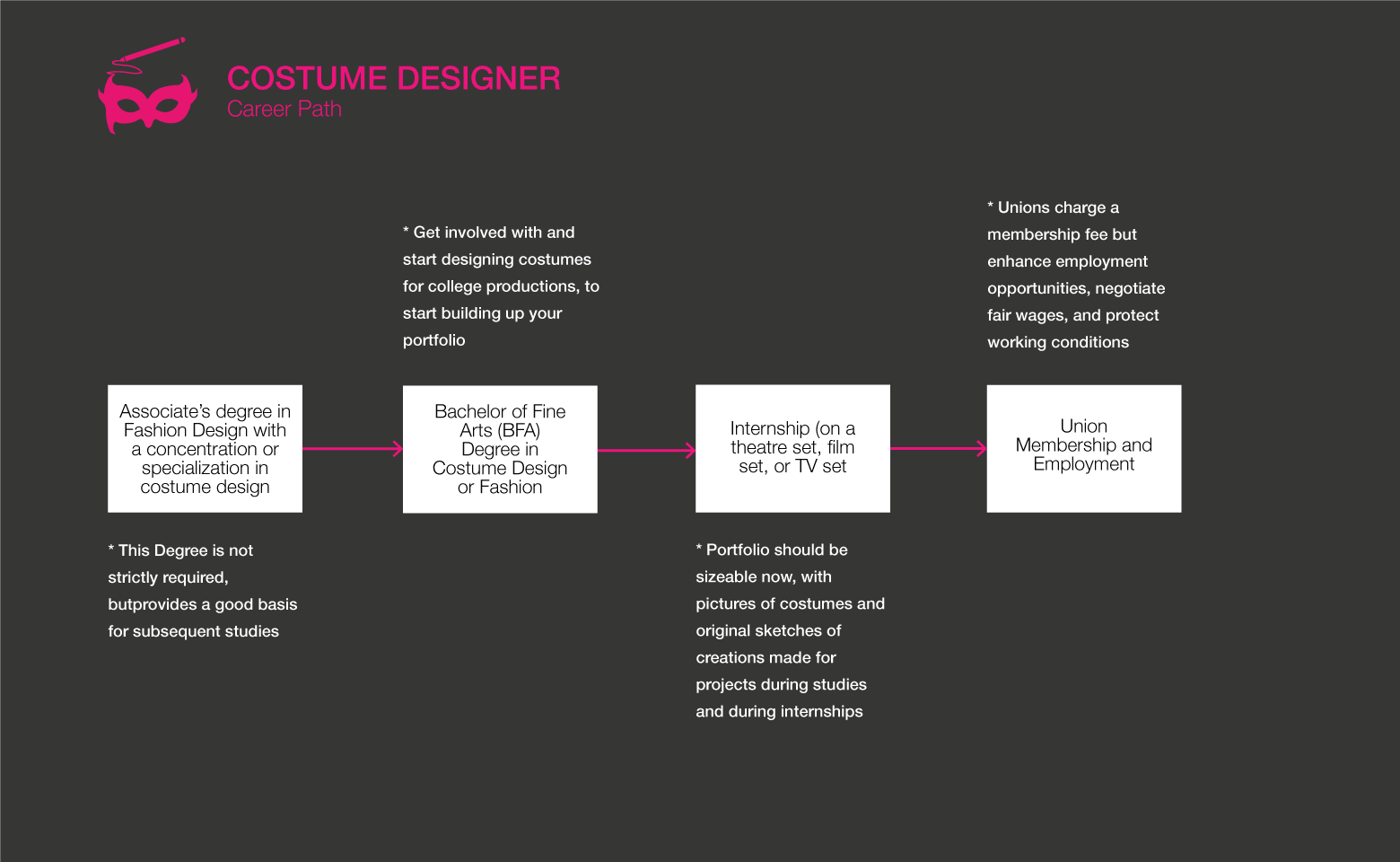
Most Costume Designers have a bachelor's degree in costume design, theater design, fashion design, fine arts, or a related field, and many working designers in theater and film also complete a Master of Fine Arts (MFA) in costume design. Programs at universities and conservatories teach students to read scripts, research history, draw and render, understand fabrics, and work collaboratively in a production setting. Some designers start from a fashion design or textile background and move into costume work, while others come up through costume crafts such as sewing, draping, or wardrobe work and eventually design. Costume design is a field where experience and portfolio matter a great deal, and many designers learn by working in costume shops or on productions in early-career jobs.
Students can take courses in relevant subjects such as:
- Costume Design for Stage and Screen
- Costume History and History of Fashion
- Drawing, Painting, and Rendering
- Pattern Making and Draping
- Costume Construction and Sewing
- Textiles, Dyeing, and Fabric Manipulation
- Script Analysis and Dramatic Literature
- Digital Illustration and Photoshop
- Theatrical Production and Stage Management
- Color Theory and Lighting for Design
Hands-on experience is the fastest path to becoming a Costume Designer. Students can work in college costume shops, on school and community productions, and on student films to learn how costumes are built, fit, and managed. Internships, apprenticeships, and assistant roles with working designers provide invaluable training, and many designers build their careers by working as shoppers, costume production assistants, wardrobe crew, or assistant designers before getting a chance to design their own shows. A strong portfolio, with research, sketches, photographs of finished costumes, and a clear process, shows employers how you think and what you can do. In film and union theater, joining a guild or union such as the Costume Designers Guild or United Scenic Artists comes with experience and sometimes an entrance process, and many designers build toward membership as their careers grow.
- Take art, drawing, sewing, fashion, textiles, theater, history, and literature classes to build both artistic and storytelling skills
- Join your school's drama club, tech crew, or costume committee and volunteer to design, shop, or sew costumes for productions
- Practice sketching characters and costumes, and keep a sketchbook full of ideas and research
- Learn to sew by hand and machine, repair clothing, and experiment with altering thrift store finds
- Study how costumes in movies, plays, and TV shows reveal character, and write notes about why they work
- Visit museums, historical sites, and costume exhibits to see real garments up close
- Volunteer or work backstage with community theaters, dance schools, or local film projects
- Learn digital tools such as Photoshop, Procreate, or Illustrator, and start practicing digital costume renderings
- Build a portfolio with sketches, fabric swatches, research boards, and photos of costumes you have made or designed
- Seek summer programs, workshops, or costume camps at colleges, theaters, and arts organizations
- Reach out to local costume designers or costume shops to ask about shadowing or helping out
- Participate in cosplay, historical reenactment, or costume contests to learn how to build and wear complex outfits
- Programs with a dedicated costume design or theatrical design track, taught by working professionals
- Fully equipped costume shops with sewing machines, dress forms, cutting tables, and dye or fabric manipulation areas
- Chances to design real productions for stage or screen, not only classroom projects
- Strong courses in costume history, drawing and rendering, and script analysis
- Internships or placements with theaters, film studios, television productions, or costume houses
- Portfolio reviews, showcases, and faculty mentoring that help students present their work professionally
- Connections to regional theaters, opera companies, film industry hubs, or entertainment centers
- Opportunities to collaborate with directors, actors, lighting designers, and set designers
- A balance of technical craft skills, such as sewing and pattern making, and design skills, such as research and rendering
- Alumni who work as designers, supervisors, or costume professionals in the industry
- Training in digital design tools and 3D garment software alongside traditional methods
- Affordable tuition, scholarships, or assistantships, since arts programs can be costly
- Apply for entry-level roles such as Costume Production Assistant, Wardrobe Assistant, Costume Shop Stitcher, Shopper, Dresser, Set Costumer, or Assistant Costume Designer
- Create a professional portfolio, either online or in print, showing sketches, research, finished costumes, and your design process
- Start by working on student films, school or community theater, independent productions, music videos, and short films to build experience and credits
- Join local theater companies, costume shops, and costume rental houses where you can learn on the job
- Search job listings on Backstage, theater company websites, film production boards, and school and regional arts organizations
- Attend regional and national theater and design conferences such as USITT, where students and young professionals meet designers and employers
- Build relationships with directors, producers, and other designers, since many jobs come through people who know and trust your work
- Be willing to start as a stitcher, dresser, or shopper to learn how costumes are built and managed, then work toward assistant and design credits
- Prepare to explain your design choices clearly in interviews, including your research, your reasoning, and how you solve problems under budget
- Show reliability, a positive attitude, and a willingness to take direction, since employers value teamwork as much as talent
- Keep a record of your credits, photos, and references so you can update your resume and portfolio quickly
- Be flexible about location, since film and theater opportunities may be concentrated in cities such as Los Angeles, New York, Atlanta, Chicago, and Vancouver
- Keep building your portfolio with a range of projects, from theater to film to television, to show versatility
- Work your way up from assistant to associate to lead designer by taking on more responsibility with each production
- Develop strong relationships with directors and producers who will hire you again and recommend you to others
- Learn budgeting and team management so you can handle larger productions with bigger crews
- Join professional guilds or unions, such as the Costume Designers Guild or United Scenic Artists, when you qualify
- Build specialties in areas such as period costuming, fantasy design, or sustainable costuming that set you apart
- Take on mentoring roles and teach workshops, which can lead to teaching positions or leadership roles
- Enter design competitions and exhibitions and aim for design awards that raise your profile
Websites:
- Costume Designers Guild (IATSE Local 892) - costumedesignersguild.com
- United Scenic Artists Local USA 829 - usa829.org
- USITT (United States Institute for Theatre Technology) - usitt.org
- Costume Society of America - costumesocietyamerica.com
- The Costume Society (UK) - costumesociety.org.uk
- International Costumers' Guild - costume.org
- ASU FIDM Museum - fidmmuseum.org
- IATSE - iatse.net
- Theatre Communications Group - tcg.org
- Backstage - backstage.com
- Playbill - playbill.com
- The Metropolitan Museum of Art, Costume Institute - metmuseum.org
- Victoria and Albert Museum Fashion Collections - vam.ac.uk
- Fashion Institute of Technology - fitnyc.edu
Books:
- Costume Design 101 by Richard La Motte
- The Costume Designer's Toolkit by Holly Poe Durbin
- Hollywood Costume edited by Deborah Nadoolman Landis
- Costume Design: Techniques of Modern Masters by Lynn Pecktal
- The Costumer's Handbook by Rosemary Ingham and Liz Covey
If you find that being a Costume Designer isn't the right fit, your skills in design, sewing, research, and storytelling can lead to many related careers.
- Fashion Designer
- Wardrobe Stylist
- Costume Supervisor
- Tailor or Seamstress
- Set Designer
- Makeup and Special Effects Artist
- Theatrical Cutter and Draper
- Textile Designer
- Museum Curator or Costume Conservator
- •erchandiser or Visual Display Designer
Newsfeed

Featured Jobs
Online Courses and Tools
Annual Salary Expectations
New workers start around $43K. Median pay is $79K per year. Highly experienced workers can earn around $120K.