






Spotlights
Drywall Hanger, Drywall Finisher, Wallboard Installer, Sheetrock Installer, Ceiling Tile Installer, Taper, Drywall Mechanic, Plasterer's Helper, Drywall Contractor, Wall and Ceiling Installer, Acoustical Tile Installer, Framing and Drywall Technician
Before a room becomes a bedroom, a boardroom, or a classroom, it's just studs, wires, and insulation exposed to the world. Drywall Installers are the ones who close that gap, hanging and finishing the smooth, solid walls and ceilings that turn a framed skeleton into a real, livable space. Every flat, seamless wall you've ever leaned against started as a stack of heavy boards and a plan for exactly where each one needed to go.
Drywall Installers measure, cut, and hang large sheets of gypsum board onto walls and ceilings, then apply joint tape and compound, sand it smooth, and prepare the surface for paint or texture. They work closely with framers, electricians, plumbers, and general contractors, timing their work carefully since drywall usually goes up only after wiring and plumbing are roughed in but before painters and flooring crews arrive. On big commercial jobs, entire crews divide the work between hangers, who install the boards, and finishers, who tape and mud the seams until they disappear.
Using tools like drywall lifts, screw guns, utility knives, and taping tools, Drywall Installers combine physical strength with careful technique, since a poorly hung sheet or a visible seam will show up under every coat of paint for years to come. Their work is essential to nearly every building project imaginable, from single-family homes to hospitals and skyscrapers, and a skilled installer's clean, flat finish is what makes a room feel truly complete.
- Seeing a rough, framed space transformed into smooth, finished walls in a matter of days
- Mastering a hands-on trade with steady demand across nearly every type of construction project
- Taking pride in a flawless, invisible finish that other tradespeople and homeowners can't help but notice
- Building toward running your own crew or drywall contracting business
“I took my kids to the California Academy of Sciences. I ran that project when it was first built. They love going there and being able to tell people that “my daddy painted this.” To see the pride and joy in their eyes…that they were almost a part of it. It’s about having the pride in the workmanship of being a craftsman.” Robert Williams III, Painter, Business Representative, District Council 16
Working Schedule
Most Drywall Installers work full-time on job sites during standard weekday hours, though deadlines on active construction projects can sometimes push hours longer, especially when a building needs to be "dried in" before other trades can start their work. The job is physically demanding and takes place mostly indoors, in new construction, renovations, and commercial buildouts. Many installers work for drywall contracting companies or general contractors, while experienced hangers and finishers often go independent, taking on subcontracted jobs and managing their own small crews.
Typical Duties
- Measuring and cutting drywall sheets to fit walls, ceilings, and openings
- Lifting and hanging drywall panels using drywall lifts, jacks, or by hand
- Securing panels to studs and joists with screws or nails
- Cutting openings for outlets, switches, vents, and fixtures
- Applying joint tape and compound over seams and screw holes
- Sanding compound smooth after it dries, sometimes in multiple coats
- Applying texture finishes such as knockdown, orange peel, or smooth skim coats
- Installing corner beads and trim for clean, durable edges
- Installing acoustical ceiling tiles and suspended grid systems in commercial spaces
- Repairing damaged drywall in existing walls and ceilings
- • Cleaning up dust, debris, and scrap material from job sites
- • Coordinating with other trades to time work around wiring, plumbing, and insulation
Additional Responsibilities
- Estimating material quantities and costs for jobs
- Maintaining and transporting tools, lifts, and equipment between job sites
- Training and supervising apprentices or helpers
- Communicating with general contractors about project timelines
- Ensuring finished work meets fire-rating and building code requirements
- Ordering and scheduling delivery of drywall materials
- Inspecting finished walls for flaws before handoff to painters
- Following safety procedures around dust exposure and heavy lifting
A Drywall Installer's day often begins early, reviewing the day's floor plan to see which rooms need boards hung and which need taping or sanding. Hangers start by measuring walls and ceilings, cutting sheets to size, and working with a partner or drywall lift to get heavy panels into position and secured with screws. Ceiling work is especially physical, often done overhead while standing on stilts or scaffolding.
Midday often shifts to finishing work if the crew includes tapers: applying the first coat of joint compound over seams, embedding tape, and letting it begin to dry before returning to add a second, smoother coat. On multi-day jobs, installers might be hanging boards in one room while finishing dried seams in another, keeping the whole project moving efficiently.
Afternoons bring sanding, texture application, and final quality checks, running a hand and a work light along every wall to catch any visible seams or dips before the painters arrive. Installers clean up dust and debris, which is a serious part of the job given how much fine dust drywall work generates, and plan out the next day's sequence with the site supervisor or contractor.
Soft Skills
- Physical strength and stamina for lifting heavy panels
- Patience and precision, especially during finishing and sanding
- Attention to detail and a good eye for flaws
- Reliability and teamwork, since hanging often requires two people
- Time management to keep pace with other trades on a job site
- Problem-solving when walls or ceilings aren't perfectly square
- Communication with contractors and other tradespeople
- Ability to work efficiently under production-based pay or deadlines
- Comfort working at heights on ladders, stilts, or scaffolding
- Pride in craftsmanship, since flaws are hard to hide under paint
- Adaptability to different building layouts and material types
- Basic business sense for installers who go independent
Technical Skills
- Precise measuring and cutting of drywall panels
- Operating drywall lifts, screw guns, and taping tools
- Applying and sanding joint compound in multiple coats
- Reading floor plans and construction blueprints
- Knowledge of fire-rated and moisture-resistant drywall applications
- Texture application techniques such as knockdown and orange peel
- Installing suspended ceiling grid systems for acoustical tile
- Understanding of building codes related to wall and ceiling assemblies
- Basic carpentry for framing repairs and blocking
- Safe use of utility knives, sanders, and power tools
- Drywall Hanger: Measures, cuts, and installs drywall panels onto framing
- Drywall Finisher (Taper): Applies tape and compound and sands seams smooth
- Ceiling Tile Installer: Installs suspended grid systems and acoustical ceiling tiles
- Texture Specialist: Focuses on decorative wall and ceiling texture finishes
- Commercial Drywall Installer: Works on large-scale office, retail, and institutional buildouts
- Residential Drywall Installer: Specializes in homes and small remodeling projects
- Fire-Rated Assembly Installer: Focuses on drywall systems meeting strict fire-code requirements
- Drywall Repair Technician: Specializes in patching and repairing existing walls and ceilings
- Drywall and wall/ceiling contracting companies
- General contracting and homebuilding companies
- Commercial construction firms
- Property management and facilities maintenance companies
- School districts and government facility departments
- Hospital and healthcare construction contractors
- Hotel and hospitality renovation contractors
- Independent, self-employed drywall contracting businesses
- •nsurance restoration companies handling fire and water damage repair
- Interior finishing and remodeling firms
- Union drywall finisher locals
- Acoustical and specialty ceiling installation companies
Drywall work is physically taxing. Installers lift and maneuver heavy panels overhead for hours, often while standing on ladders or stilts, and repetitive motion from sanding and taping can strain the back, shoulders, and wrists over time. Respiratory protection matters too, since drywall dust from sanding is a real long-term health consideration that installers need to take seriously.
The trade often runs on production-based pace: many installers are paid by the square foot or by the job rather than a flat hourly wage, which rewards speed and efficiency but adds pressure to work quickly without sacrificing quality. Deadlines tied to other trades waiting to start their work can also create pressure to finish a section on schedule, sometimes requiring long days to keep a project moving.
Quality is unforgiving in this trade. A poorly taped seam or an uneven texture becomes permanently visible once paint goes on, so there's little room for shortcuts. Building a reputation for clean, flat work takes time and repetition, but it's what separates installers who stay busy with referrals from those who struggle to find steady jobs.
- Growth in lightweight and moisture-resistant drywall products for bathrooms and basements
- Increased use of drywall lifts and mechanical aids to reduce injury risk
- Rising demand for fire-rated assemblies in multifamily and commercial construction
- Growth in sound-dampening and acoustic drywall products for offices and apartments
- Use of automatic taping tools to speed up finishing work
- Increased focus on dust control systems and respiratory safety equipment
- Demand for specialized finishers skilled in Level 5 smooth-wall finishes
- Growth in prefabricated wall panel systems assembled off-site
- Rising interest in sustainable, recycled-content gypsum board products
- Strong ongoing demand tied to new home construction and commercial buildout cycles
Many Drywall Installers grew up enjoying hands-on projects, from building forts and treehouses to helping with home renovation projects around the house. They often liked physical, active work more than sitting still, and took satisfaction in seeing an immediate, visible result from a day's effort.
Others found their interest through shop class, helping a family member in construction or handyman work, or just liking the process of fixing and improving spaces around them. A combination of physical energy, patience for repetitive detail work, and pride in a clean finished product often pointed these future installers toward the trade.
“Some of us we have more Neanderthal DNA than others. You’ve got to be able to express that in the best way possible. We all have a sense of creativity that can be shown and it’s finding that way to show that creativity. Some people they can do that behind a computer, other people it’s great to be able to build a building. It all comes into that sense of being of whatever makes you feel alive.” Robert Williams III, Business Rep, International Union of Painters and Allied Trades District Council 16, Northern California
Most Drywall Installers learn the trade through on-the-job training, starting as a helper or apprentice and working under experienced hangers and finishers for one to two years before working independently. A high school diploma or equivalent is typically expected, and some installers get a head start through vocational or trade school programs covering construction basics. Formal apprenticeship programs, offered through unions and trade associations, combine paid hands-on work with classroom instruction in blueprint reading and building codes.
Students can take courses in relevant subjects such as:
- Construction Technology and Trades
- Blueprint Reading
- Applied Math and Measurement
- Carpentry Basics
- Building Codes and Fire-Rated Assemblies
- Materials Science for Construction
- Shop Safety and Tool Use
- Business Math and Estimating
- Physical Education and Fitness
- OSHA Safety Standards
Hands-on experience under a skilled hanger or finisher is the fastest way to develop real speed and accuracy in this trade. Many installers specialize over time, focusing either on hanging, which rewards strength and efficiency, or finishing, which rewards patience and a fine eye for detail. Continued learning through trade association workshops helps installers stay current on new materials, tools, and fire-code requirements.
- Take construction technology, shop, or trades classes if your school offers them
- Build physical fitness and strength training habits for a physically demanding trade
- Look for a vocational or CTE program focused on construction or carpentry
- Seek out a part-time or summer job with a drywall or general contractor
- Ask to shadow a local drywall crew for a day to see the work firsthand
- Join a trade-focused club like SkillsUSA to build hands-on construction skills
- Practice DIY projects at home involving measuring, cutting, and patchwork repairs
- Research union apprenticeship programs for drywall finishers in your area
- Develop patience and attention to detail through art, drafting, or craft projects
- Learn basic OSHA safety standards, especially around dust and fall protection
- Get comfortable using hand tools and basic power tools safely
- Talk to installers about the differences between hanging and finishing work
- Programs that include real hands-on hanging and finishing practice
- Instructors with actual drywall or general construction industry experience
- Coverage of both residential and commercial fire-rated assemblies
- Apprenticeship or job placement partnerships with local drywall contractors
- Safety training that covers dust exposure, fall protection, and proper lifting
- Access to modern tools like drywall lifts and automatic taping equipment
- Small class sizes that allow real practice time with tools and materials
- Business and estimating coursework for students interested in going independent
- Flexible scheduling for students who want to work while training
- A track record of graduates finding steady installation or finishing work
- Union-affiliated programs offering structured pay progression during training
- Reasonable program costs relative to the trade's earning potential
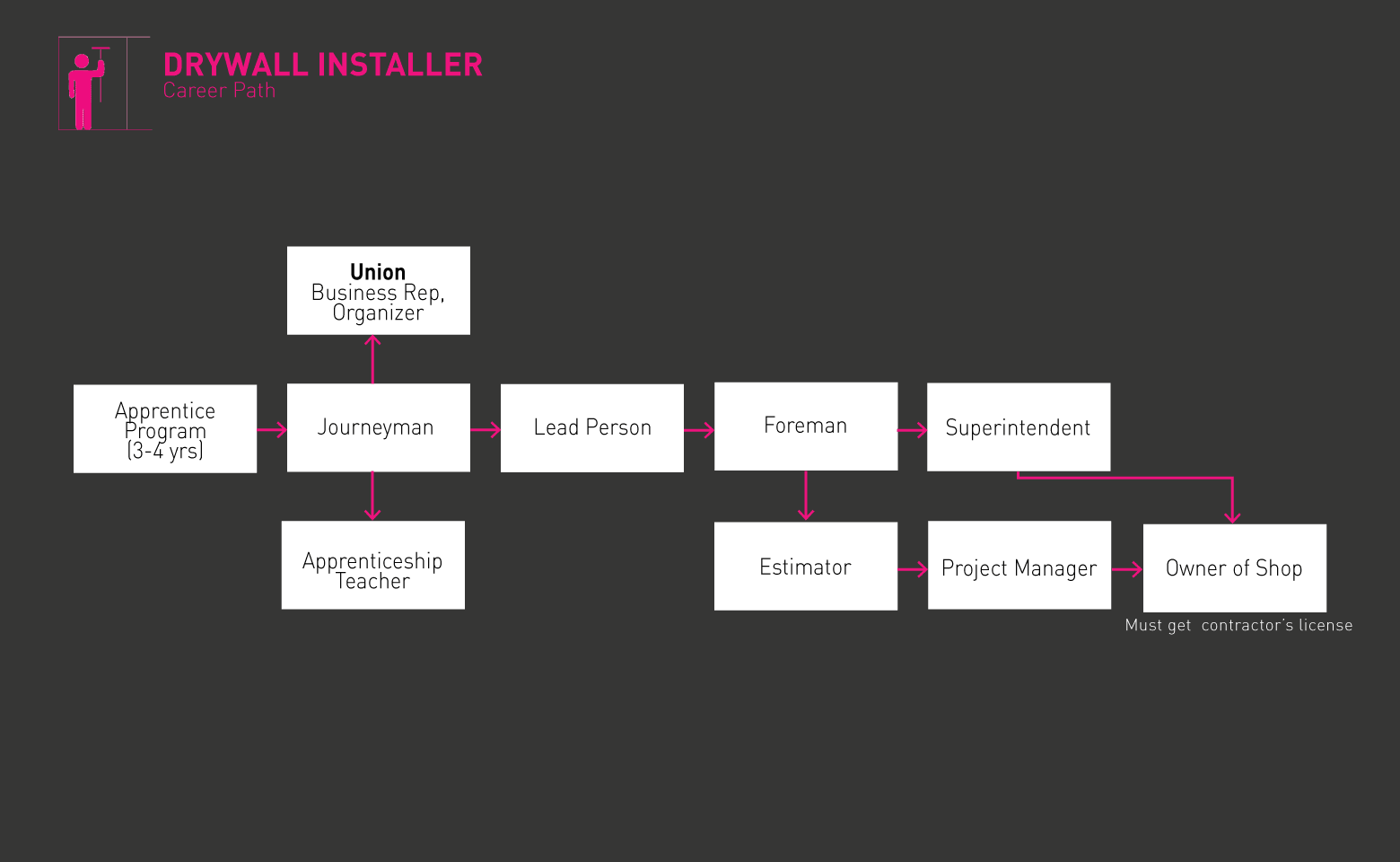
- Apply for helper or apprentice positions with drywall or general contracting companies
- Reach out to local drywall contractors directly, since many hire and train entry-level workers
- Search job boards for titles like Drywall Helper, Hanger's Apprentice, or Finisher Trainee
- Consider joining a union apprenticeship program for structured training and pay
- Build a small portfolio of any drywall, patching, or home improvement projects you've completed
- Get comfortable talking about your physical stamina and willingness to learn on the job
- Network with contractors and other tradespeople who hire drywall crews
- Highlight any experience with measuring, cutting, or precision handwork on your resume
- Be prepared to demonstrate basic tool handling and safety awareness during a trial day
- Consider starting as a general laborer on a construction site to get a foot in the door
- Show up reliably and work hard; contractors value dependability and effort early on
- Ask about the difference between hanging and finishing roles to find your fit
- Master both hanging and finishing to become a more versatile, valuable installer
- Build a reputation for clean, precise, flaw-free finished walls that generates referrals
- Take on more complex jobs, such as Level 5 finishes or fire-rated assemblies
- Learn to estimate jobs and manage your own material ordering and scheduling
- Consider becoming a crew lead or foreman overseeing other installers
- Build relationships with general contractors who can send steady work your way
- Save toward tools, a vehicle, and licensing needed to go independent or start a business
- Stay current on new products and techniques through trade association training
Websites:
- Association of the Wall and Ceiling Industry (AWCI) - awci.org
- United Brotherhood of Carpenters (UBC) - carpenters.org
- International Association of Bridge, Structural, Ornamental and Reinforcing Iron Workers - ironworkers.org
- Gypsum Association - gypsum.org
- SkillsUSA - skillsusa.org
- Associated Builders and Contractors (ABC) - abc.org
- National Association of Home Builders (NAHB) - nahb.org
- Walls & Ceilings Magazine - wconline.com
- Construction Dealer Magazine - constructiondealer.com
- OSHA Training Institute - osha.gov
- National Center for Construction Education and Research (NCCER) - nccer.org
- Fine Homebuilding - finehomebuilding.com
Books:
- Drywall: Professional Techniques for Great Results by Myron R. Ferguson
- Taunton's Complete Illustrated Guide to Finish Carpentry by Gary Striegler
- The Drywall Book by John Carroll
- Walls and Ceilings: A Guide to Framing and Finishing by Editors of Creative Homeowner
- Working with Drywall by Time-Life Books Editors
If you find that being a Drywall Installer isn't the right path for you, there are many related careers where your hands-on skills, strength, and attention to detail can shine.
- Carpenter
- Painter
- Plasterer
- Floor Covering Installer
- Insulation Installer
- General Contractor
- Ceiling Tile Installer
- Home Renovation Contractor
- Construction Laborer
- Building Inspector
“You can get what you want out of it. Depending on how hard you want to invest yourself into it, how dedicated you want to be. You can just get buy or you can flourish and rise in the industry. It’s all up to the individual.” Robert Williams III, Business Rep, District Council 16, Northern California
Newsfeed

Featured Jobs
Online Courses and Tools
Annual Salary Expectations
New workers start around $52K. Median pay is $64K per year. Highly experienced workers can earn around $80K.