






Spotlights
Landscape Builder, Landscape Installer, Landscape Construction Manager, Hardscape Contractor, Landscape Project Manager, Irrigation Contractor, Landscape Maintenance Contractor, Outdoor Construction Specialist, Residential Landscape Contractor, Commercial Landscape Contractor, Green Space Contractor, Landscape Renovation Specialist
When you enjoy a beautifully designed park, a lush backyard, or a serene public garden, a Landscape Contractor’s expertise is behind it all. These professionals transform outdoor spaces into stunning, functional environments that people love to spend time in, impacting communities and nature alike.
Landscape Contractors manage the construction and installation of outdoor projects, from planting trees and laying sod to building patios, walkways, fences, and irrigation systems. They coordinate with landscape architects, designers, clients, and subcontractors to ensure every detail is executed precisely, turning plans and blueprints into vibrant outdoor realities.
Using a mix of heavy machinery, hand tools, and project management software, Landscape Contractors oversee the entire process from ground preparation to finishing touches. Their work not only beautifies spaces but also enhances property value, improves environmental health, and creates places that bring people together.
- Seeing a bare plot of land transform into a thriving, beautiful outdoor space that people enjoy daily.
- Collaborating with designers, clients, and teams to bring creative landscape visions to life.
- Working outdoors in various environments and seasons, connecting with nature while on the job.
- Playing a key role in environmental sustainability through responsible planting and water management.
Working Schedule
Landscape Contractors often work full-time, with schedules that can extend to weekends or evenings during peak seasons in spring and summer. Work is mostly outdoors and can involve physical labor, but many contractors also spend time in offices managing projects and coordinating teams. Freelance and self-employed contractors may experience fluctuating workloads tied to project cycles and weather conditions.
Typical Duties
- Reviewing landscape designs, blueprints, and client requirements to plan project workflows.
- Estimating costs, preparing bids, and managing project budgets.
- Coordinating with landscape architects, designers, suppliers, and subcontractors.
- Scheduling and supervising crews during site preparation, planting, and construction phases.
- Operating or overseeing the use of machinery such as excavators, loaders, and lawn equipment.
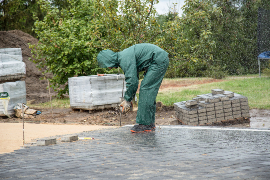
- Installing irrigation systems, drainage solutions, and hardscape features like patios, walkways, and retaining walls.
- Ensuring compliance with safety regulations and environmental standards.
- Ordering materials, managing inventory, and ensuring timely delivery to job sites.
- Troubleshooting issues on-site and adapting plans as needed.
- Communicating progress and updates to clients and stakeholders.
- Maintaining equipment and tools in good working order.
- Handling permits and inspections related to landscape construction projects.
Additional Responsibilities
- Training and mentoring new crew members and apprentices.
- Managing conflict resolution and problem-solving among team members.
- Keeping detailed records of project timelines, expenses, and labor hours.
- Implementing sustainable practices such as native planting and water conservation.
- Maintaining good relationships with clients through effective communication and follow-up.
- Monitoring weather forecasts to plan work and protect ongoing projects.
- Conducting site assessments to identify potential challenges before construction begins.
- Updating knowledge on new materials, technologies, and landscaping trends.
In the morning, a Landscape Contractor reviews project plans and meets with the team to assign tasks and discuss safety protocols. They check on equipment readiness and coordinate with suppliers for material deliveries.
By midday, they are typically on-site overseeing excavation, planting, or installation work. They interact with subcontractors, solve unexpected problems, and make adjustments to timelines or workflows to keep the project moving smoothly.
In the afternoon or evening, contractors handle administrative duties like budgeting, client communications, and scheduling the next day's activities. They may also review project progress with designers or clients to ensure expectations are met and prepare for upcoming inspections.
Soft Skills
- Strong communication skills for coordinating with clients, teams, and subcontractors.
- Problem-solving and adaptability to manage unexpected site challenges.
- Leadership to supervise crews and motivate workers effectively.
- Time management to meet project deadlines.
- Attention to detail for quality workmanship and safety compliance.
- Customer service mindset to maintain positive client relationships.
- Decision-making under pressure, especially when facing weather or supply issues.
- Organizational skills for managing multiple projects simultaneously.
- Physical stamina for outdoor work and site supervision.
- Collaboration skills to work with diverse professionals like architects and engineers.
- Negotiation skills for contracts and material purchases.
- Creativity to envision practical and aesthetic solutions in outdoor spaces.
Technical Skills
- Reading and interpreting landscape plans and blueprints.
- Operating or supervising heavy machinery like excavators and loaders.
- Knowledge of soil types, planting techniques, and irrigation systems.
- Estimating project costs and preparing bids.
- Using project management and scheduling software.
- Understanding safety regulations and environmental guidelines.
- Installing drainage, irrigation, and hardscape features.
- Material selection for durability and sustainability.
- Basic carpentry and masonry skills for constructing outdoor structures.
- Maintenance and repair of landscaping equipment.
- Residential Landscape Contractor: Specializes in building and maintaining home gardens and yards.
- Commercial Landscape Contractor: Focuses on large-scale projects like parks, campuses, and business complexes.
- Hardscape Contractor: Concentrates on non-plant elements such as patios, walkways, walls, and fencing.
- Irrigation Contractor: Expert in installing and maintaining irrigation and drainage systems.
- Landscape Renovation Specialist: Restores and upgrades existing outdoor spaces.
- Green Infrastructure Contractor: Implements environmentally friendly solutions like rain gardens and permeable pavements.
- Nursery Landscape Contractor: Provides planting and maintenance services with a focus on plant health.
- Environmental Restoration Contractor: Works on projects that restore natural habitats and prevent erosion.
- • Landscaping companies and contractors
- • Construction firms specializing in outdoor projects
- • Municipal parks and recreation departments
- • Golf courses and sports complexes
- • Nurseries and garden centers
- • Environmental consulting firms
- • Residential property management companies
- • Commercial real estate developers
- • Public works and infrastructure agencies
- • Landscape architecture firms
- • Irrigation system suppliers and installers
- • Agricultural cooperatives
The work can be physically demanding, requiring contractors to spend long hours outdoors in varying weather conditions, including heat, cold, rain, and sun. Safety is a constant priority due to the use of heavy equipment and tools.
Deadlines can be tight, especially during peak landscaping seasons, which may mean working weekends or extended hours to complete projects on time. Contractors must balance multiple projects and client expectations simultaneously.
The job demands a blend of hands-on physical work and detailed project management. Contractors must be prepared to handle last-minute changes, supply delays, or unexpected site issues, requiring flexibility and resilience throughout the project lifecycle.
- Growing demand for sustainable and eco-friendly landscaping techniques.
- Increased use of technology such as drone site surveys and 3D modeling.
- Rising popularity of native plants to support local ecosystems.
- Integration of smart irrigation systems to conserve water.
- Expansion of outdoor living spaces including kitchens and lounges.
- Greater emphasis on permeable pavements to reduce runoff.
- Use of electric and battery-powered landscaping equipment to reduce emissions.
- Climate change influencing plant selection and landscape design choices.
- More collaboration with environmental scientists and urban planners.
- Online platforms for project management and client communication.
Many Landscape Contractors discovered their passion through hands-on activities like gardening, building tree forts, or helping with yard work during childhood. They often enjoyed working outdoors, creating and organizing spaces, and using tools to build things.
Early interests might include studying plants, experimenting with landscaping designs, or learning about construction materials. They are often drawn to a mix of nature and practical work, combining creativity with physical activity.
Becoming a Landscape Contractor typically involves a mix of hands-on experience and formal education. While some enter the field through apprenticeships or on-the-job training, many pursue degrees or certifications in landscape construction, horticulture, or related fields to gain technical knowledge and project management skills.
Students can take courses in relevant subjects such as:
- Landscape Design
- Horticulture and Plant Science
- Soil Science and Irrigation
- Construction Materials and Methods
- Project Management
- Environmental Science
- Blueprint Reading
- Safety and OSHA Regulations
- Business Management
- Sustainable Landscaping Practices
Beyond classroom learning, building a strong portfolio of completed projects and gaining experience through internships or entry-level landscaping jobs is essential. Many contractors continue their education with certifications in specialized areas like irrigation or green infrastructure to advance their careers.
- Take courses in biology, environmental science, and math to understand plant science and construction calculations.
- Join vocational programs or clubs focused on landscaping, agriculture, or construction.
- Participate in internships or summer jobs with local landscaping companies.
- Develop skills in computer-aided design (CAD) and project management software.
- Practice teamwork and leadership through group projects or extracurricular activities.
- Volunteer for community garden or park projects to gain hands-on experience.
- Attend workshops or camps focused on horticulture or landscape construction.
- Build a portfolio of personal or school landscaping projects.
- Learn basic carpentry and machinery operation skills.
- Explore business and communication classes to prepare for client management.
- Look for programs that include both classroom instruction and practical fieldwork.
- Choose schools offering certifications in landscape construction or horticulture.
- Ensure access to modern tools and technology like CAD software and machinery.
- Programs with internship or apprenticeship opportunities provide valuable real-world experience.
- Seek instructors with industry experience and strong professional networks.
- Check if the program covers sustainable landscaping and environmental regulations.
- Consider programs that teach business and project management skills.
- Look for up-to-date curriculum that includes current industry trends and technologies.
- Evaluate class sizes and hands-on training availability.
- Find programs that support portfolio development and job placement assistance.
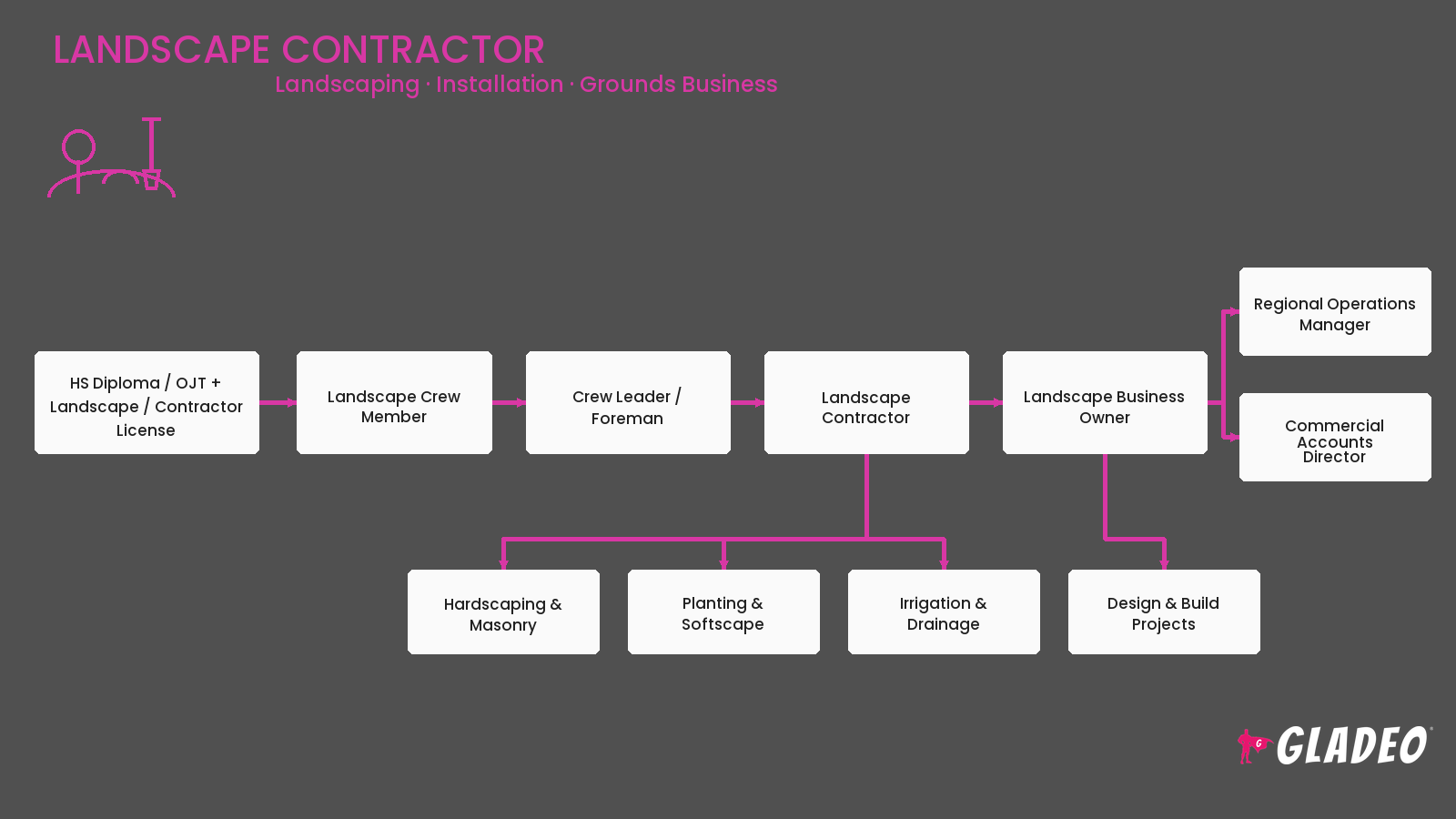
- Apply for entry-level positions such as landscaping laborer, assistant installer, or irrigation technician.
- Build a portfolio documenting projects you contribute to, with photos and descriptions.
- Network with local landscaping firms, nurseries, and contractors for job leads.
- Volunteer for community landscaping projects to gain experience and references.
- Learn to operate landscaping tools and machinery safely.
- Practice reading landscape plans and understanding project blueprints.
- Develop communication skills by interacting with clients and team members.
- Seek mentorship from experienced contractors or supervisors.
- Obtain necessary certifications or licenses, like pesticide application or equipment operation.
- Maintain a professional attitude and reliability to earn trust and more responsibility.
- Participate in industry training programs or workshops to expand your skills.
- Prepare for physical demands by staying fit and practicing safety protocols.
- Gain experience managing small projects independently to build leadership skills.
- Earn certifications in specialized areas such as irrigation, hardscaping, or sustainable landscaping.
- Develop strong client relationships to secure repeat business and referrals.
- Expand knowledge in business management to consider starting your own landscaping company.
- Stay current with industry trends and new technologies to increase your competitive edge.
- Build a network of suppliers, subcontractors, and industry professionals for support.
- Take on larger and more complex projects to showcase your expertise.
- Mentor apprentices and junior staff to strengthen team capabilities and reputation.
Websites:
- National Association of Landscape Professionals (landscapeprofessionals.org)
- Associated Landscape Contractors of America (ALCA)
- Landscape Management Magazine (landscapemanagement.net)
- Irrigation Association (irrigation.org)
- American Society of Landscape Architects (asla.org)
- Green Industry Pros (greenindustrypros.com)
- Environmental Protection Agency - WaterSense (epa.gov/watersense)
- Tree Care Industry Association (tcia.org)
- Construction Specifications Institute (csinet.org)
- OSHA - Occupational Safety and Health Administration (osha.gov)
- Landscape Ontario (landscapeontario.com)
- American Nursery & Landscape Association (anla.org)
- Landscape Institute (landscapeinstitute.org)
- The Dirt Magazine (thedirtmag.com)
Books:
- Landscape Construction by David Sauter
- Site Engineering for Landscape Architects by Steven Strom, Kurt Nathan, and Jake Woland
- The Landscape Contractor's Manual by John Brookes
- Irrigation Fundamentals by James N. Houser
- Sustainable Landscape Construction: A Guide to Green Building Outdoors by Kim Sorvig and J. William Thompson
If you find that being a Landscape Contractor isn’t the perfect fit, many related careers allow you to work with outdoor spaces, construction, or environmental design.
- Landscape Architect
- Arborist or Tree Care Specialist
- Irrigation Designer or Technician
- Hardscape Installer
- Environmental Consultant
- Nursery Manager or Horticulturist
- Construction Project Manager
- Urban Planner
- Park Ranger or Grounds Manager
- Greenhouse Technician
Newsfeed

Featured Jobs
Online Courses and Tools