







Spotlights
Music Director, Band Director, Choir Director, Orchestra Conductor, Music Instructor, Music Teacher, Choral Conductor, Ensemble Leader, Music Program Coordinator, Vocal Coach, Instrumental Director, Music Pedagogue
When you attend a school concert, hear a community choir perform, or watch a musical theater production, the energy and emotion you feel come from the vision and leadership of a Music Educator acting as a Music Director. They shape performances that inspire both performers and audiences alike, turning notes on a page into unforgettable experiences.
Music Educators working as Music Directors guide students or community members in learning and performing music. Their days involve planning rehearsals, teaching musical skills, selecting repertoire, and organizing concerts. They collaborate closely with musicians, fellow teachers, school administrators, and sometimes parents to craft performances that showcase talents and build confidence.
Using a combination of musical knowledge, conducting techniques, and educational strategies, Music Directors employ tools like musical scores, conducting batons, digital audio software, and educational resources. Their role is vital in fostering musical growth, teamwork, and a love of music, ultimately enriching the cultural life of their communities.
- Witnessing students grow in confidence and skill through music.
- Creating performances that move and inspire audiences.
- Building a strong sense of community among musicians and listeners.
- Sharing the joy and discipline of music education with diverse groups.
Working Schedule
Music Educators often work during school hours, but their days can extend into evenings and weekends for rehearsals, performances, and events. Work environments vary from classrooms and rehearsal halls to auditoriums and outdoor stages. Many hold full-time school positions, while others may work part-time or freelance in community or church settings. The schedule can be intense around concert seasons, requiring flexibility and dedication.
Typical Duties
- Planning and conducting rehearsals for choirs, bands, or orchestras.
- Selecting appropriate music pieces that fit skill levels and event themes.
- Teaching musical theory, vocal or instrumental techniques, and performance skills.
- Coaching individual musicians to improve technique and expression.
- Organizing concerts, recitals, and community music events.
- Collaborating with other educators and staff to integrate music into school programs.
- Maintaining and managing musical instruments and equipment.
- Evaluating student progress and providing constructive feedback.
- Arranging or composing music when needed for specific groups.
- Managing budgets for music programs or events.
- Recruiting and encouraging students to participate in musical ensembles.
- Promoting music education and community engagement through outreach.
Additional Responsibilities
- Attending professional development workshops or conferences.
- Coordinating with parents about student progress and upcoming events.
- Maintaining records of attendance, performances, and inventory.
- Adapting teaching methods to accommodate diverse learning styles.
- Supporting student-led initiatives like music clubs or competitions.
- Ensuring safety and proper care during rehearsals and performances.
- Applying for grants or funding to support music programs.
- Representing the music program at school or community meetings.
A Music Director’s morning often begins by reviewing lesson plans and preparing materials for rehearsals. They might check emails from school administrators or parents and organize music sheets or equipment to ensure everything is ready.
Midday is filled with teaching classes or leading ensemble rehearsals. This hands-on time involves demonstrating techniques, listening carefully to performances, correcting mistakes, and encouraging expressive playing or singing. Collaboration with fellow educators can happen here, adjusting schedules or planning joint activities.
Evenings may bring additional rehearsals, setting up for concerts, or attending meetings with students and parents. At times, the Music Director will conduct performances, balancing focus and energy to motivate musicians and connect with the audience, making every note count.
Soft Skills
- Patience and encouragement
- Strong communication skills
- Leadership and motivational ability
- Creativity and artistic sensitivity
- Organization and time management
- Adaptability to different learning styles
- Teamwork and collaboration
- Conflict resolution
- Public speaking and presentation
- Emotional intelligence
- Attention to detail
- Cultural awareness and inclusivity
Technical Skills
- Conducting techniques
- Music theory and ear training
- Instrumental or vocal coaching
- Music arrangement and composition
- Use of music notation software
- Classroom management
- Audio equipment operation
- Event planning and coordination
- Digital audio workstations
- Assessment and evaluation methods
- School Music Director: Leads music programs within K-12 schools, focusing on student education and performance.
- Community Music Director: Organizes and directs ensembles in community centers, churches, or local organizations.
- Theater Music Director: Oversees musical aspects of theater productions, coordinating with directors and performers.
- College/University Music Director: Manages advanced ensembles and teaches at higher education institutions.
- Private Studio Director: Runs independent music instruction studios or small ensembles.
- Festival or Event Music Director: Leads temporary music groups for special events or festivals.
- Recording Music Director: Guides musicians in studio sessions to achieve desired musical outcomes.
- Youth Program Director: Focuses on music education and performance opportunities for children and teenagers outside traditional schools.
- Public and private schools
- Community centers
- Churches and faith-based organizations
- Theaters and performing arts centers
- Colleges and universities
- Music academies and conservatories
- Summer music camps and festivals
- Youth orchestras and choirs
- Recording studios
- Nonprofit arts organizations
- Local government arts programs
- Private music studios
Music Directors often face significant pressure to prepare students for performances that showcase their skills publicly, which can mean long hours of rehearsal and detailed attention to each musician’s progress. The role requires balancing educational goals with artistic excellence under tight deadlines, especially close to concerts.
Work hours typically extend beyond the school day, including evenings and weekends for rehearsals and performances. Seasonal peaks, such as holiday concerts or competitions, demand extra commitment and energy. Physical stamina is important for standing during rehearsals and conducting for extended periods.
The job demands emotional resilience as educators manage diverse student needs, performance anxieties, and occasional conflicts within ensembles. Flexibility and creativity in teaching approaches are necessary to keep all participants engaged and motivated while maintaining high musical standards.
- Increasing use of digital music software for composition and rehearsal.
- Growing emphasis on inclusive and diverse musical repertoires.
- Integration of technology in remote or hybrid music education.
- Focus on social-emotional learning through music programs.
- Expansion of community-based music initiatives beyond schools.
- Collaboration between music educators and other art disciplines.
- Greater opportunities for student-led performances and creative projects.
- Use of online platforms to share performances and engage audiences.
- Emphasis on culturally responsive teaching and global music traditions.
- Rising interest in STEM and STEAM integration with music education.
Many Music Directors discovered their passion early by participating in school bands, choirs, or community ensembles. They often enjoyed leading small groups, composing songs, or arranging music for family and friends, showing early signs of leadership and creativity.
They likely loved music classes, attended concerts, and spent time practicing instruments or singing. Their natural curiosity about how music works and desire to help others express themselves through sound set the foundation for becoming inspiring educators and directors.
Becoming a Music Educator who works as a Music Director usually requires formal education in music and teaching. Many pursue a bachelor’s degree in music education or a related field, often including specialized coursework in conducting, music theory, and pedagogy. Hands-on experience through student teaching or internships is crucial to develop practical skills.
Students can take courses in relevant subjects such as:
- Music theory and ear training
- Conducting and ensemble leadership
- Music history and literature
- Instrumental and vocal techniques
- Educational psychology and pedagogy
- Classroom management
- Composition and arranging
- Technology in music education
- Performance ensembles
- Assessment and evaluation in music education
Practical experience is essential; aspiring Music Directors should seek opportunities to lead ensembles and teach in real settings. Building a portfolio of performances and references can help when applying for positions. Continued professional development through workshops and certifications keeps skills current and sharp.
- Join school bands, choirs, or orchestras to gain ensemble experience.
- Take private lessons on an instrument or voice to develop skills.
- Participate in music theory and ear training classes.
- Attend concerts and music camps to explore different styles.
- Volunteer to help with school or community music events.
- Develop leadership skills by conducting small groups or ensembles.
- Explore technology tools like music notation software.
- Take courses in education or teaching if available.
- Build a practice routine to improve musicianship.
- Seek mentorship from music teachers or directors.
- Look for programs accredited in music education.
- Ensure the program offers conducting and ensemble leadership training.
- Check for opportunities to participate in student teaching or internships.
- Evaluate faculty experience and student success stories.
- Consider programs with strong technology integration.
- Seek schools with active performance groups and ensembles.
- Investigate support for professional certification.
- Review curriculum balance between theory, practice, and pedagogy.
- Look for access to modern facilities and instruments.
- Assess opportunities for community engagement and outreach.
- Confirm alignment with state teaching certification requirements.
- Explore scholarship and financial aid options.
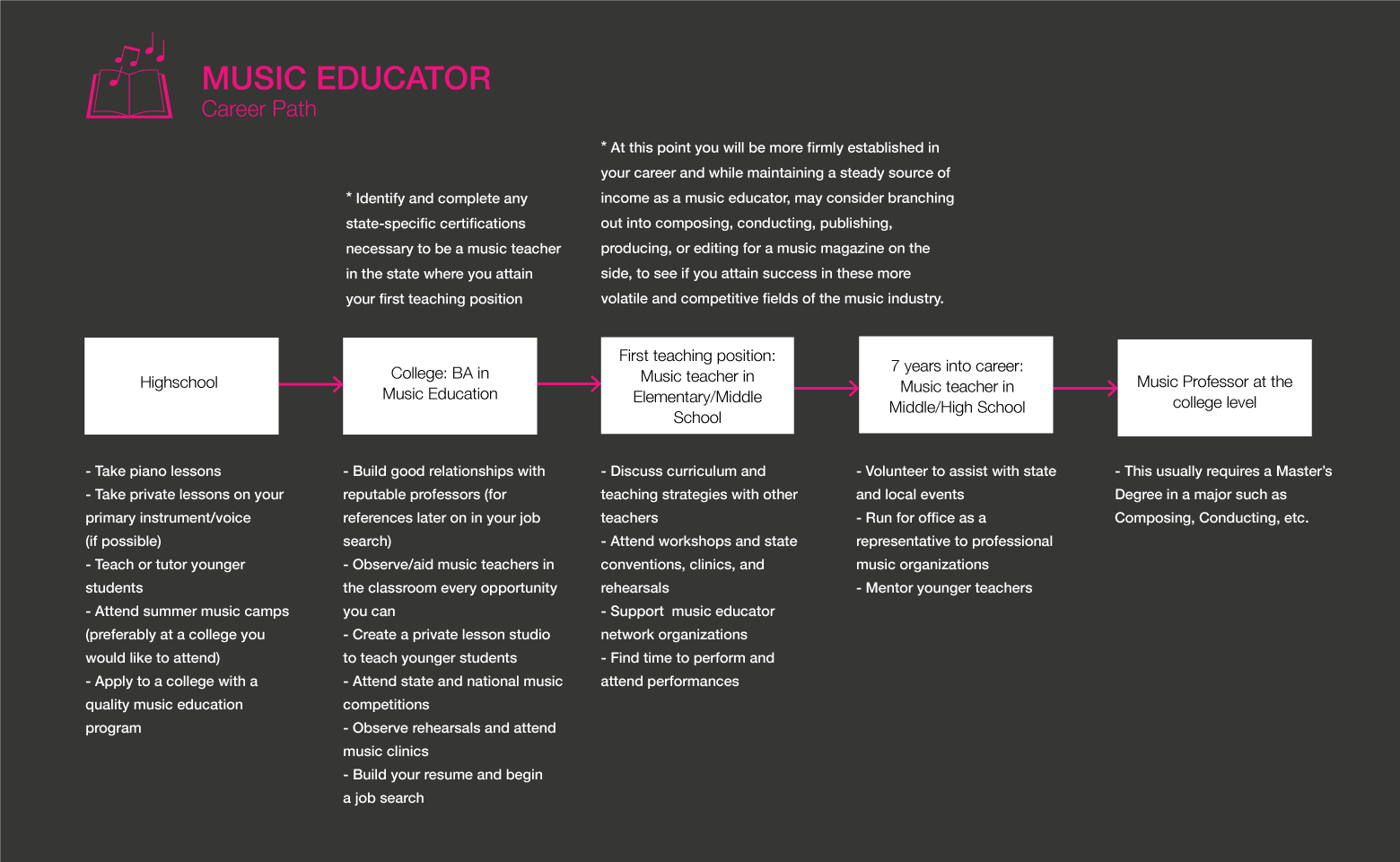
- Apply for entry-level teaching positions such as assistant band director or choir instructor.
- Build a portfolio with recordings of ensembles you have led.
- Volunteer to conduct community or church ensembles for experience.
- Network with local music educators and attend professional meetings.
- Prepare a teaching demonstration or sample lesson for interviews.
- Create lesson plans and rehearsal schedules tailored to your group’s needs.
- Seek feedback from mentors and colleagues to improve your skills.
- Participate in local music festivals or competitions as a director.
- Stay current with music education research and trends.
- Use social media or personal websites to showcase your work.
- Attend workshops and certifications to enhance your qualifications.
- Be patient and persistent; early roles may be part-time or temporary.
- Gain experience by leading larger or more advanced ensembles.
- Pursue graduate degrees or certifications in music education or conducting.
- Develop a reputation for successful performances and student growth.
- Expand skills in composition, arranging, or technology integration.
- Take leadership roles in professional music educator organizations.
- Build relationships with school administrators and community leaders.
- Mentor younger music educators or students.
- Seek positions at larger schools, colleges, or specialized music programs.
Websites:
- American Choral Directors Association (ACDA) - acda.org
- National Association for Music Education (NAfME) - nafme.org
- Conductors Guild - conductorsguild.org
- The College Music Society - collegemusic.org
- Music Educators National Conference - mencheadquarters.org
- International Society for Music Education (ISME) - isme.org
- National Band Association - nationalbandassociation.org
- Music Teachers National Association (MTNA) - mtna.org
- The Recording Academy - recordingacademy.com
- Young Audiences Arts for Learning - youngaudiences.org
- Arts Education Partnership - aep-arts.org
- Jazz Education Network - jazzednet.org
- ChoralNet - choralnet.org
- Society for Music Teacher Education - smte.org
Books:
- The Music Director's Handbook by David Vance
- Teaching Music with Passion by Peter Boonshaft
- The Art of Conducting Technique by Harold Farberman
- Music Education and Social Emotional Learning by Patricia Shehan Campbell
- Conducting: The Art of Communication by Donald Hunsberger
If a career as a Music Educator and Music Director doesn’t work out or you want to explore other paths, many related careers still let you use your passion for music and leadership.
- Music Therapist
- Audio Engineer
- Music Producer
- Instrument Repair Technician
- Performing Musician
- Music Librarian
- Music Journalist
- Event Coordinator for music festivals
- Arts Administrator
- Voice Coach
Click here to download the infographic
Newsfeed

Featured Jobs
Online Courses and Tools