





Spotlights
Plant Operator, Plant Specialist, Plant Maintenance Technician, Industrial Plant Technician, Process Technician, Manufacturing Technician, Equipment Technician, Production Technician, Facility Technician, Operations Technician, Mechanical Technician, Environmental Plant Technician
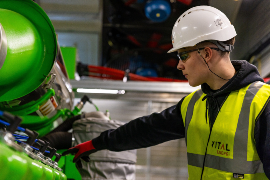
Every day, Plant Technicians play a crucial role in keeping industrial plants running smoothly, ensuring that the machinery and systems powering everything from water treatment to manufacturing operate safely and efficiently. Their work impacts millions of people who rely on clean water, energy, or manufactured goods without interruption.
Plant Technicians maintain, troubleshoot, and repair the equipment and systems within a plant facility. They work closely with engineers, operators, and maintenance crews to monitor machinery, perform routine inspections, and quickly address mechanical or electrical issues. Their efforts ensure that production goals are met while meeting safety and environmental standards.
Using a variety of hand tools, diagnostic devices, and computerized control systems, Plant Technicians keep complex machinery in top shape. Their expertise not only prevents costly downtime but also supports sustainable and safe operations that protect workers and the environment.
- Knowing that your work keeps essential services like water, power, or manufacturing running reliably every day.
- Solving mechanical and technical challenges that require both creativity and precision.
- Working hands-on with advanced technologies and equipment in diverse industrial settings.
- Contributing directly to environmental safety and community well-being through proper plant operations.
Working Schedule
Plant Technicians often work full-time, with schedules that may include shifts, evenings, weekends, or on-call hours to ensure plants operate 24/7. Work environments range from indoor control rooms to industrial floors that can be noisy or involve exposure to chemicals, requiring strict safety protocols. Some positions may be freelance or contract-based, but most technicians are employed by companies or public utilities.
Typical Duties
- Inspect plant equipment and machinery regularly to identify wear, damage, or malfunctions.
- Perform routine maintenance tasks such as lubrication, cleaning, and parts replacement.
- Troubleshoot mechanical, electrical, and control system issues to minimize downtime.
- Operate computerized monitoring systems to track plant performance and detect anomalies.
- Assist engineers in testing new equipment or upgrading existing systems.
- Document maintenance activities and report plant conditions to supervisors.
- Ensure compliance with safety regulations and environmental standards.
- Respond quickly to emergency breakdowns or operational problems.
- Calibrate instruments and control devices for accurate plant operation.
- Collaborate with operations staff to optimize production processes.
- Train junior technicians or operators on equipment use and safety.
- Participate in safety meetings and continuous improvement programs.
Additional Responsibilities
- Maintain inventory of spare parts and tools needed for repairs.
- Help develop maintenance schedules and preventive maintenance plans.
- Support environmental monitoring efforts, such as emissions or waste handling.
- Assist in plant audits and regulatory inspections.
- Contribute to energy efficiency initiatives within the plant.
- Keep detailed logs of incidents and repairs for quality control.
- Communicate with vendors and service providers for specialized repairs.
- Help with installation of new machinery or equipment upgrades.
Morning often begins by reviewing reports from overnight shifts and inspecting critical equipment to ensure everything is functioning properly. The technician plans maintenance and repair tasks for the day based on production needs and any alerts from monitoring systems.
Midday involves hands-on work: repairing faulty equipment, replacing worn parts, and adjusting controls. The Plant Technician collaborates closely with engineers and operators to troubleshoot complex problems and verify that fixes meet performance standards.
Afternoon and evening may include updating maintenance records, performing safety checks, and preparing reports for supervisors. The technician might also participate in team meetings to discuss plant performance, upcoming projects, or safety improvements, ensuring smooth operations continue around the clock.
Soft Skills
- Problem-solving
- Attention to detail
- Teamwork and collaboration
- Communication skills
- Adaptability and flexibility
- Time management
- Critical thinking
- Safety awareness
- Patience and perseverance
- Mechanical intuition
- Initiative
- Stress management
Technical Skills
- Mechanical repair and maintenance
- Electrical systems troubleshooting
- Use of diagnostic tools and meters
- Operation of computerized control systems (SCADA, PLC)
- Reading technical manuals and schematics
- Calibration of instruments
- Knowledge of safety and environmental regulations
- Welding and fabrication basics
- Preventive maintenance planning
- Data logging and reporting
- Water Treatment Plant Technician: Specializes in maintaining equipment that purifies and distributes water.
- Power Plant Technician: Focuses on machinery involved in generating electricity from various energy sources.
- Manufacturing Plant Technician: Maintains production line equipment and automation systems.
- Chemical Plant Technician: Works with equipment handling chemical processes and reactions.
- Environmental Plant Technician: Ensures plants meet environmental safety standards and manage waste.
- Pulp and Paper Plant Technician: Maintains machinery involved in paper production.
- Food Processing Plant Technician: Keeps food manufacturing equipment clean and operational.
- Waste Management Plant Technician: Deals with machinery for recycling and waste treatment.
- Municipal water and wastewater treatment facilities
- Power generation companies (coal, gas, nuclear, renewable)
- Manufacturing plants (automotive, electronics, textiles)
- Chemical production companies
- Food and beverage processing companies
- Environmental service firms
- Paper and pulp mills
- Waste management and recycling companies
- Biotechnology firms with production facilities
- Government agencies managing public utilities
- Oil and gas refineries
- Pharmaceutical manufacturing plants
Plant Technicians face pressure to quickly solve problems that could halt critical services, requiring calm decision-making under time constraints. The responsibility of ensuring safety and environmental compliance adds to the job’s seriousness.
Work hours can be demanding, with shift work and availability for emergencies common. Technicians must be prepared to work nights, weekends, or overtime to keep plants running 24/7.
The role demands physical stamina to handle tools, climb ladders, and work in sometimes uncomfortable or hazardous conditions. Ongoing learning is essential to keep up with evolving technologies and regulations.
- Increasing automation and use of robotics in plant operations.
- Greater reliance on computerized monitoring and predictive maintenance systems.
- Emphasis on energy efficiency and sustainability in plant processes.
- Integration of Internet of Things (IoT) devices for real-time equipment data.
- Use of advanced diagnostic software and mobile apps for field technicians.
- Stricter environmental regulations influencing plant operations.
- Growing importance of data analytics for performance optimization.
- Remote monitoring and control becoming more prevalent.
- Focus on safety culture and worker training programs.
- Adoption of renewable energy technologies in power plants.
Many Plant Technicians discovered their interest early through hands-on activities like fixing bikes, building models, or experimenting with electronics and mechanical devices. Curiosity about how things work and a knack for repairing and maintaining equipment often pointed them toward this career.
Youth who enjoy problem-solving, working with tools, and being active in practical tasks tend to thrive as Plant Technicians. Early exposure to science and technology projects or vocational classes can build a strong foundation for this path.
Becoming a Plant Technician usually involves a combination of technical education and hands-on training. Many enter the field with a high school diploma plus specialized vocational training, technical certificates, or associate degrees focused on industrial maintenance, electrical systems, or mechanical technology.
Students can take courses in relevant subjects such as:
- Industrial Maintenance
- Electrical Systems
- Mechanical Engineering Basics
- Hydraulics and Pneumatics
- Safety and Environmental Compliance
- Instrumentation and Control Technology
- Welding and Fabrication
- Computerized Maintenance Management Systems (CMMS)
- Automation and Robotics Fundamentals
- Blueprint Reading and Technical Drawing
Hands-on experience through internships, apprenticeships, or on-the-job training is vital to develop practical skills. Building a strong portfolio of maintenance and repair projects can improve job prospects. Continued learning helps technicians stay current with new technologies and safety standards.
- Take classes in math, physics, and chemistry to build a science foundation.
- Enroll in vocational or technical programs focused on industrial maintenance or electrical work.
- Participate in shop classes or robotics clubs to gain mechanical skills.
- Seek internships or summer jobs in manufacturing plants or utilities.
- Develop computer skills, especially in software related to automation and control.
- Join career and technical student organizations like SkillsUSA.
- Attend career fairs to learn about plant technician roles.
- Explore certifications such as OSHA safety training.
- Volunteer for projects involving equipment repair or maintenance.
- Research local community colleges offering relevant associate degrees.
- Choose programs with strong hands-on training and lab work.
- Look for courses that include safety and environmental regulations.
- Ensure the program covers both mechanical and electrical systems.
- Seek instructors with industry experience and connections.
- Find schools offering internships or co-op placements.
- Prefer programs teaching computerized control systems and automation.
- Check for accreditation and industry recognition.
- Consider programs with flexible schedules for working students.
- Look for opportunities to earn certifications during the program.
- Evaluate career support services and job placement rates.
- Apply for entry-level technician or maintenance assistant roles to gain experience.
- Build a resume highlighting technical coursework and hands-on projects.
- Prepare a portfolio documenting any repairs, maintenance tasks, or related work.
- Network with professionals in local plants or industry events.
- Pursue certifications such as OSHA 10/30 or EPA-related credentials.
- Volunteer for extra shifts or tasks to demonstrate reliability.
- Practice interviewing with a focus on problem-solving and safety awareness.
- Stay open to temporary or contract positions to enter the field.
- Use job boards specializing in industrial or technical roles.
- Seek mentorship from experienced technicians or supervisors.
- Develop strong communication skills for teamwork and reporting.
- Keep learning about new tools and technologies relevant to plant operations.
- Master advanced diagnostic and repair techniques.
- Pursue additional certifications in specialized equipment or safety standards.
- Build strong relationships with engineers, operators, and management.
- Take on leadership roles within maintenance teams.
- Gain experience with automated and computerized control systems.
- Attend industry workshops and training seminars regularly.
- Expand knowledge into related fields such as environmental compliance.
- Seek opportunities to work on complex projects or plant upgrades.
Websites:
- International Maintenance Institute (imiweb.org)
- American Society of Mechanical Engineers (asme.org)
- National Association of Water Companies (nawc.org)
- Manufacturing Skill Standards Council (msscusa.org)
- Occupational Safety and Health Administration (osha.gov)
- Plant Engineering (plantengineering.com)
- Process Industry Informer (processindustryinformer.com)
- Society for Maintenance & Reliability Professionals (smrp.org)
- National Association of Manufacturers (nam.org)
- Water Environment Federation (wef.org)
- Industrial Automation Forum (iaforum.org)
- Environmental Protection Agency (epa.gov)
- SkillsUSA (skillsusa.org)
- National Institute for Metalworking Skills (nimss.org)
Books:
- Industrial Maintenance and Mechatronics by Michael D. Holloway
- Electrical Maintenance and Troubleshooting by Dale R. Patrick
- Plant Engineer's Handbook by Dennis A. Snow
- Maintenance Engineering Handbook by Lindley R. Higgins and R. Keith Mobley
- Troubleshooting Process Plant Control by George Stephanopoulos
If you decide a Plant Technician role isn’t the perfect fit, many related careers leverage similar skills in mechanics, electronics, and industrial operations.
- Mechanical Technician
- Electrical Technician
- Industrial Maintenance Technician
- Process Operator
- Facilities Maintenance Technician
- Automation Technician
- Environmental Technician
- Quality Control Inspector
- Manufacturing Technician
- Building Systems Technician
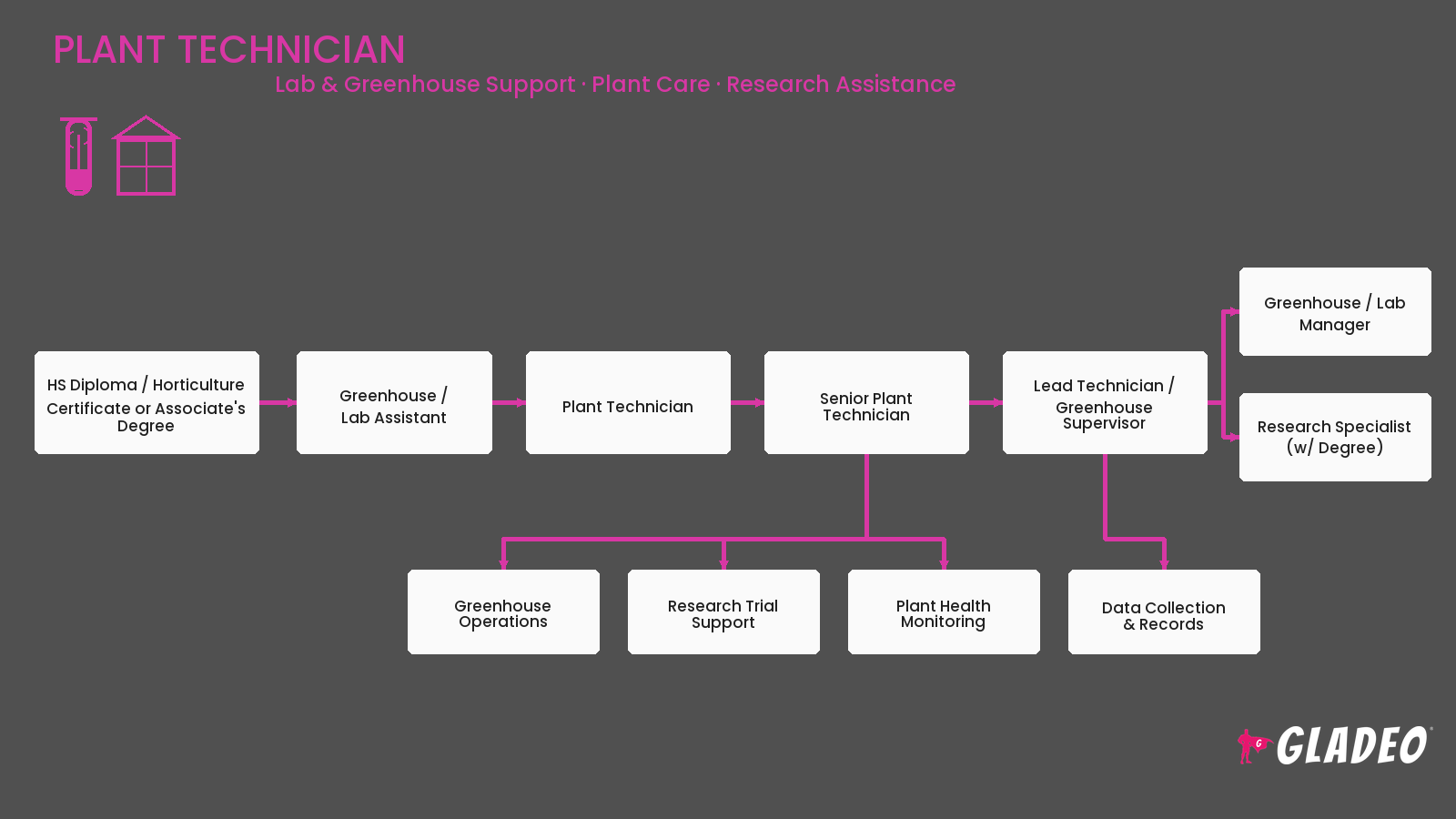
Click here to download the infographic
Newsfeed

Featured Jobs
Online Courses and Tools