






Spotlights
Foot Doctor, Podiatric Physician, Chiropodist, Podiatric Surgeon, Orthopedic Podiatrist, Pediatric Podiatrist, Sports Podiatrist, Diabetic Foot Specialist, Geriatric Podiatrist, Podiatric Clinician, Foot and Ankle Specialist, Podiatric Consultant
Every step you take depends on the health of your feet and ankles, and podiatrists are the unsung heroes ensuring that people can move comfortably and confidently every day. From athletes recovering from injuries to seniors managing chronic conditions, podiatrists make a vital impact on quality of life.
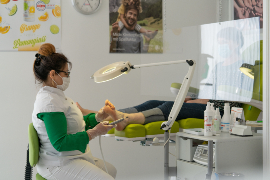
Podiatrists diagnose, treat, and prevent problems related to the foot, ankle, and lower leg. Their daily work involves examining patients, ordering x-rays or lab tests, creating treatment plans, performing surgeries, and providing rehabilitation advice. They often collaborate with primary care doctors, physical therapists, orthopedic surgeons, and diabetic specialists to deliver comprehensive care that keeps patients mobile and pain-free.
Using specialized diagnostic tools like imaging technology and custom orthotic devices, podiatrists apply medical knowledge and surgical skills to treat ailments such as fractures, infections, deformities, and circulation issues. Their role is crucial in preventing minor foot problems from turning into serious disabilities, especially for patients with diabetes or arthritis.
- Helping patients regain mobility and relieve chronic pain feels incredibly fulfilling.
- Building long-term relationships with patients and seeing their progress over time is rewarding.
- Applying both medical and surgical skills offers a dynamic, challenging career.
- Making a real difference in people’s everyday lives by improving their ability to walk and stay active.
Working Schedule
Podiatrists typically work full-time in clean, clinical environments such as hospitals, private practices, or outpatient clinics. Their schedules often include regular office hours, but may extend to evenings or weekends depending on patient needs and emergencies. Many podiatrists work independently or as part of healthcare teams, balancing patient appointments, surgeries, and follow-ups with administrative tasks.
Typical Duties
- Examining patients’ feet, ankles, and lower legs to diagnose conditions.
- Ordering and interpreting diagnostic tests like X-rays, MRIs, or blood work.
- Developing treatment plans that may include medication, physical therapy, or surgery.
- Performing surgical procedures to correct deformities, injuries, or infections.
- Prescribing custom orthotics and footwear to support proper foot function.
- Providing wound care and infection management, especially for diabetic patients.
- Educating patients on foot care, injury prevention, and lifestyle changes.
- Collaborating with other healthcare professionals to coordinate treatment.
- Maintaining detailed patient records and documenting progress.
- Monitoring chronic conditions to prevent complications.
- Fitting and adjusting prosthetics or braces when needed.
- Staying current with medical research and new treatments in podiatry.
Additional Responsibilities
- Managing clinic operations and scheduling.
- Training and supervising medical assistants or residents.
- Participating in community health education or outreach programs.
- Conducting research or clinical trials on foot and ankle health.
- Handling insurance paperwork and billing processes.
- Ensuring compliance with health and safety regulations.
- Engaging in continuing education and certification renewals.
- Advocating for patient needs within multidisciplinary healthcare teams.
A podiatrist’s morning often starts with reviewing patient charts and preparing for scheduled appointments. They might begin by examining patients who have foot pain, injuries, or chronic conditions, discussing symptoms, and ordering any needed diagnostic tests. This time is critical for planning individualized treatment approaches based on each patient’s needs and medical history.
Midday typically involves hands-on work such as performing minor surgeries, fitting patients for orthotic devices, or delivering treatments like wound care. Podiatrists often consult with physical therapists or other specialists to adjust rehabilitation plans and ensure patients recover mobility effectively. Administrative work like updating records and communicating with insurance providers also happens during this period.
Afternoons and evenings may include follow-up appointments, patient education sessions, or emergency consultations. Podiatrists often use this time to review test results, adjust treatment plans, and collaborate with healthcare teams. They may also dedicate time to continuing education or supervising junior medical staff before ending the day.
Soft Skills
- Empathy to understand patient pain and concerns.
- Strong communication to explain treatments and build trust.
- Attention to detail in diagnosis and treatment.
- Problem-solving to create effective care plans.
- Patience when working with chronic conditions.
- Manual dexterity for surgical and physical tasks.
- Critical thinking to analyze test results and symptoms.
- Teamwork with other healthcare providers.
- Adaptability to handle emergencies and new cases.
- Time management to balance appointments and procedures.
- Ethical judgment in patient care decisions.
- Emotional resilience for dealing with patient suffering.
Technical Skills
- Knowledge of human anatomy, especially lower limb structure.
- Proficiency in diagnostic imaging interpretation.
- Surgical skills for foot and ankle procedures.
- Skill in fitting and prescribing orthotic devices.
- Understanding of pharmacology for pain and infection control.
- Competence with electronic health records software.
- Ability to perform wound care and infection management.
- Knowledge of rehabilitation and physical therapy techniques.
- Familiarity with sterile techniques and safety protocols.
- Use of patient education tools and materials.
- Podiatric Surgeon: specializes in surgical treatment of foot and ankle conditions.
- Sports Podiatrist: focuses on injuries related to athletes and physical activity.
- Pediatric Podiatrist: treats foot problems in children and adolescents.
- Diabetic Foot Specialist: manages complications from diabetes affecting the feet.
- Geriatric Podiatrist: addresses age-related foot issues in elderly patients.
- Orthopedic Podiatrist: combines podiatry with orthopedic care for complex musculoskeletal problems.
- Podiatric Rheumatologist: treats foot symptoms related to arthritis and autoimmune diseases.
- Podiatric Dermatologist: specializes in skin conditions affecting the feet.
- Hospitals and Medical Centers
- Private Podiatry Clinics
- Rehabilitation Centers
- Orthopedic Surgery Centers
- Sports Medicine Facilities
- Long-term Care and Nursing Homes
- Community Health Clinics
- Veterans Affairs Medical Facilities
- Universities and Teaching Hospitals
- Research Institutions
- Public Health Departments
- Diabetes Care Centers
Podiatrists often face pressure to accurately diagnose conditions that can affect a patient's mobility and quality of life, requiring careful attention and expertise.
The job can involve long hours, especially when managing surgeries or urgent cases, and sometimes includes weekend or evening shifts to accommodate patient needs.
Emotional challenges arise when treating patients with chronic pain or severe complications, demanding resilience and strong interpersonal skills to provide compassionate care.
- Increasing use of advanced imaging and 3D modeling for diagnosis and custom orthotics.
- Growth in telemedicine consultations for follow-up and remote care.
- Rising demand due to aging populations and diabetes prevalence.
- Development of minimally invasive surgical techniques.
- Integration of regenerative medicine and biologics in treatments.
- Greater emphasis on preventive foot care education.
- Use of wearable technology to monitor foot health and gait.
- Expansion of multidisciplinary care teams including podiatrists.
- Advances in wound care products and protocols.
- Adoption of electronic health records and AI for patient management.
Many podiatrists showed early interest in biology, anatomy, and helping others with health problems. They often enjoyed activities requiring fine motor skills, such as drawing or crafts, and were curious about how the body works.
As kids, they might have been fascinated by sports injuries or took care of family members’ foot problems, sparking a desire to specialize in this unique field of healthcare.
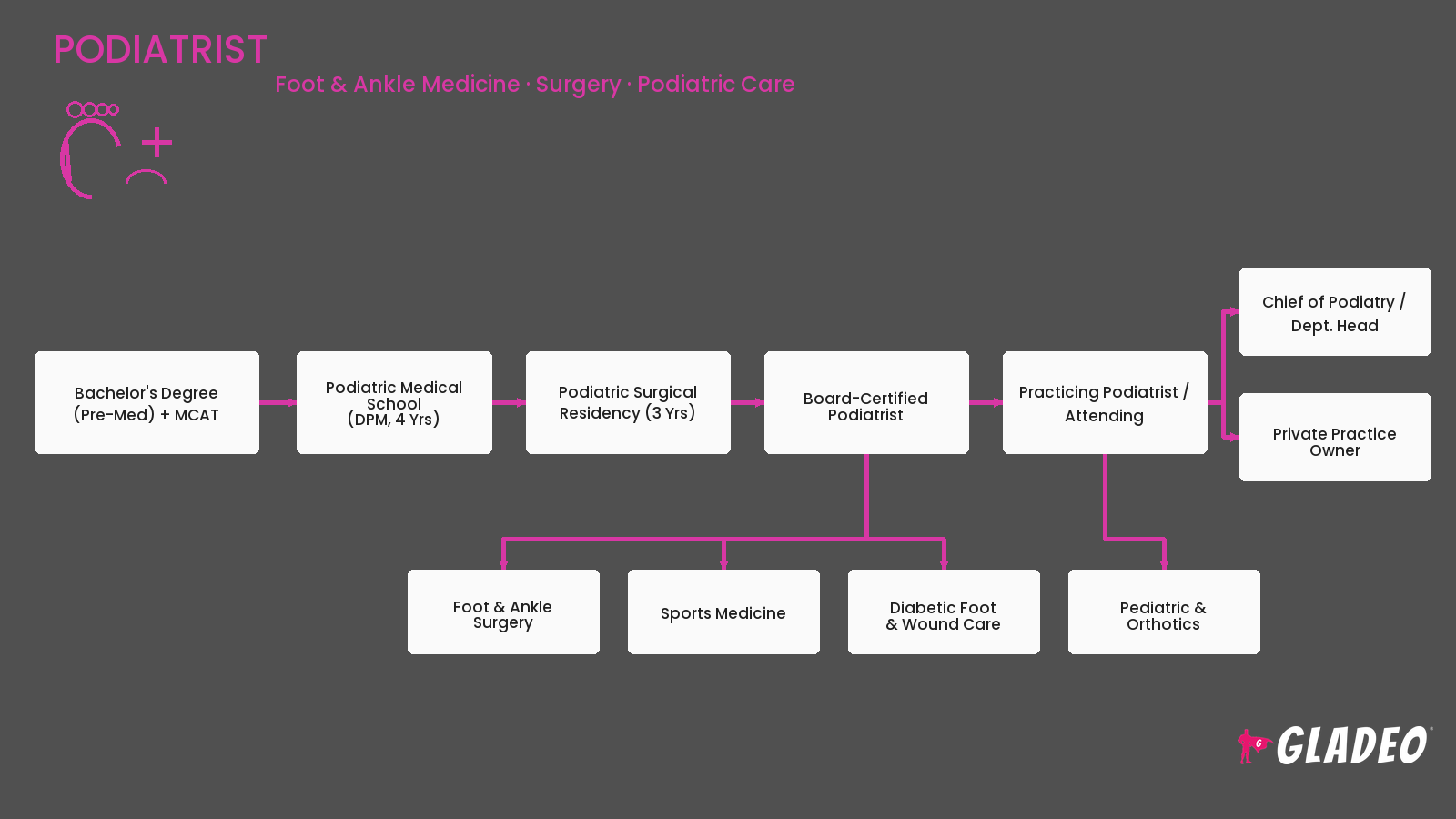
Becoming a podiatrist involves rigorous education and training, typically including a bachelor's degree, followed by a four-year podiatric medical school program, and several years of residency focusing on foot and ankle care. This pathway ensures deep knowledge of anatomy, surgery, and patient management.
Students can take courses in relevant subjects such as:
- Biology and Human Anatomy
- Chemistry and Organic Chemistry
- Physics and Mathematics
- Health Sciences
- Medical Terminology
- Microbiology and Pathology
- Pharmacology
- Physiology
- Medical Ethics and Patient Care
- Surgical Techniques
Hands-on clinical experiences during medical school and residency are essential to developing practical skills. Building a strong portfolio of clinical cases and maintaining up-to-date knowledge through continuing education prepares podiatrists to provide excellent patient care throughout their careers.
- Take advanced science courses like biology, chemistry, and anatomy in high school.
- Participate in health science clubs or volunteer at hospitals.
- Develop strong communication and interpersonal skills.
- Pursue a bachelor's degree with a focus on pre-medical or biological sciences.
- Gain experience through internships or shadowing healthcare professionals.
- Prepare for and excel in the Medical College Admission Test (MCAT) or podiatry school entrance exams.
- Research podiatry programs and their prerequisites.
- Engage in community service related to health or disability support.
- Build time management and study skills for rigorous coursework.
- Seek mentorship from practicing podiatrists or healthcare providers.
- Stay informed about healthcare trends and medical advances.
- Develop manual dexterity through hobbies or workshops.
- Choose accredited podiatric medical schools with strong clinical rotations.
- Look for programs offering diverse surgical training opportunities.
- Consider schools with affiliations to hospitals or clinics for residency placements.
- Evaluate faculty experience and research opportunities.
- Seek programs with support services like tutoring and career advising.
- Check for strong alumni networks and job placement records.
- Prioritize schools with up-to-date facilities and technology.
- Understand program costs and financial aid options.
- Attend open houses or info sessions to ask questions.
- Verify licensure exam pass rates of graduates.
- Ensure curriculum covers both medical and surgical podiatry.
- Find programs encouraging interdisciplinary collaboration.
- Apply for residency programs in hospitals or podiatric clinics.
- Gain experience working under licensed podiatrists during residency.
- Build a professional network by attending medical conferences and seminars.
- Develop strong communication skills for patient interactions.
- Keep up with the latest podiatric research and treatments.
- Create a portfolio documenting clinical cases and surgical experiences.
- Join professional associations such as the American Podiatric Medical Association.
- Obtain necessary licenses and certifications.
- Volunteer for community foot health screenings or education.
- Practice empathy and ethical decision-making with patients.
- Stay organized to manage patient records and schedules.
- Seek feedback from mentors to improve clinical skills.
- Pursue specialized fellowships in surgical or diabetic foot care.
- Gain board certification to enhance professional credibility.
- Expand skills by learning new surgical techniques and technologies.
- Build leadership roles in clinics or hospitals.
- Engage in research and publish findings to contribute to the field.
- Teach or mentor medical students and residents.
- Develop a strong referral network with other healthcare providers.
- Consider opening or managing a private practice.
Websites:
- American Podiatric Medical Association (APMA) - www.apma.org
- American Board of Podiatric Medicine - www.abpmed.org
- Podiatry Today - www.podiatrytoday.com
- The College of Podiatry - www.cop.org.uk
- National Institute of Arthritis and Musculoskeletal and Skin Diseases - www.niams.nih.gov
- FootHealthFacts.org - www.foothealthfacts.org
- Society of Chiropodists and Podiatrists - www.scpod.org
- International Federation of Podiatrists - www.fip-ifp.org
- Podiatry Management Magazine - www.podiatrym.com
- National Podiatric Medical Association - www.npmaonline.org
- Foot and Ankle International Journal - www.faijournal.org
- Centers for Disease Control and Prevention (CDC) - www.cdc.gov/diabetes
- Medscape Podiatry - www.medscape.com/podiatry
- Healthgrades Podiatrist Directory - www.healthgrades.com/podiatry
Books:
- The Art and Science of Podiatry by Arthur T. Evans
- Foot and Ankle Surgery: A Comprehensive Guide by Mark S. Myerson
- Essentials of Podiatric Medicine and Surgery by Thomas E. Roukis
- Podiatric Medicine and Surgery by Frederick C. Brunette and Paul F. Ivins
- Clinical Podiatric Medicine and Surgery by Thomas J. Kelikian
If a career as a podiatrist doesn’t work out or you want to explore related fields, there are many options that still focus on foot health, patient care, or medical science.
- Orthopedic Surgeon specializing in foot and ankle
- Physical Therapist focusing on lower limb rehabilitation
- Chiropractor with emphasis on lower body alignment
- Nurse Practitioner in podiatric or wound care
- Medical Researcher studying foot and ankle disorders
- Diabetes Educator specializing in foot complications
- Sports Medicine Specialist working with athletes
- Occupational Therapist for mobility and injury prevention
- Medical Sales Representative for podiatry products
- Public Health Specialist focusing on injury prevention programs
Click here to download the infographic
Newsfeed

Featured Jobs
Online Courses and Tools