





Spotlights
Esthetician, Skin Therapist, Dermatology Technician, Cosmetic Skin Specialist, Medical Esthetician, Skin Care Consultant, Clinical Skin Specialist, Skin Care Advisor, Dermal Therapist, Beauty Therapist, Skin Care Technician, Facial Specialist
Your skin is the first thing people notice and the barrier protecting your health every day. Skincare Specialists and Dermatologists help people look and feel their best by diagnosing, treating, and advising on skin conditions that affect confidence and well-being.
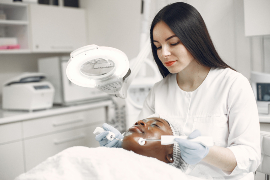
Skincare Specialists examine skin, hair, and nails to identify issues like acne, eczema, psoriasis, or signs of skin cancer. They work closely with patients to develop personalized treatment plans that may include medical procedures, skincare products, or lifestyle changes. These professionals collaborate with nurses, lab technicians, and cosmetic product developers to ensure comprehensive care and results.
Using tools ranging from microscopes and dermatoscopes to lasers and prescription medications, Skincare Specialists blend science and artistry to improve skin health. Their expertise not only treats medical conditions but also enhances appearance, boosting patients’ confidence and quality of life.
- Helping patients regain confidence through healthier skin and visible improvements.
- Using advanced medical and cosmetic techniques to solve complex skin problems.
- Building trusting relationships with patients over time through personalized care.
- Seeing the dramatic transformation of skin and knowing your work impacts overall health and happiness.
Working Schedule
Skincare Specialists often work in clinical or spa environments with regular business hours, but medical dermatologists may have longer or irregular shifts including evenings or weekends to accommodate patient needs or emergencies. Many work full-time, sometimes managing multiple patients a day, balancing consultation, treatment, and follow-up appointments. Freelance estheticians may have flexible schedules but often work evenings or weekends to meet client availability.
Typical Duties
- Conduct detailed skin assessments and medical history reviews.
- Diagnose skin conditions and diseases using clinical examination and diagnostic tools.
- Recommend and perform treatments such as chemical peels, laser therapy, injections, or minor skin surgeries.
- Prescribe medications or topical treatments for various skin disorders.
- Educate patients on skincare routines, sun protection, and lifestyle adjustments.
- Collaborate with other healthcare professionals for comprehensive patient care.
- Maintain accurate patient records and document treatment progress.
- Stay updated on the latest skincare technologies and treatments.
- Provide cosmetic services like facials, microdermabrasion, and hair removal.
- Advise on product selection tailored to individual skin types and conditions.
- Manage infection control and sanitation protocols in treatment areas.
- Support research or clinical trials for new dermatological treatments.
Additional Responsibilities
- Train and mentor junior skincare specialists or estheticians.
- Order and maintain skincare products and medical supplies inventory.
- Participate in community outreach or educational programs about skin health.
- Handle administrative tasks such as billing and insurance claims in medical settings.
- Engage in continuing education to renew licenses and certifications.
- Consult with cosmetic companies on product development and testing.
- Ensure compliance with healthcare regulations and safety standards.
- Promote wellness and preventive care through workshops or seminars.
Morning often begins by reviewing patient schedules and medical records to prepare for consultations or treatments. Dermatologists might examine biopsy results or lab reports, while estheticians set up treatment rooms and sterilize equipment. There’s time for team huddles to discuss complex cases or clinic updates.
Midday is filled with seeing patients for skin evaluations, administering treatments like laser sessions or chemical peels, and providing detailed advice on skincare regimens. Specialists document findings and adjust plans based on patient progress. Collaboration with nurses or medical assistants ensures smooth patient flow.
Afternoon and evening might involve follow-up appointments, patient education sessions, or administrative work such as updating records and ordering supplies. Dermatologists may consult with other medical professionals or participate in training sessions. For estheticians, evenings can include client appointments, especially in spas or salons.
Soft Skills
- Empathy and compassion to understand patient concerns.
- Excellent communication to explain complex skin issues clearly.
- Attention to detail for accurate diagnosis and treatment.
- Problem-solving to tailor skincare plans to individual needs.
- Patience during long or challenging treatments.
- Adaptability to new technologies and methods.
- Teamwork working with healthcare staff and clients.
- Time management to handle multiple appointments efficiently.
- Confidence in performing medical and cosmetic procedures.
- Professionalism maintaining patient privacy and trust.
- Active listening to gather thorough patient histories.
- Cultural sensitivity respecting diverse skin types and backgrounds.
Technical Skills
- Knowledge of dermatological diseases and treatments.
- Proficiency with diagnostic tools like dermatoscopes.
- Skill in performing laser and light-based therapies.
- Ability to administer cosmetic injections and minor surgeries.
- Expertise in chemical peels and skin resurfacing techniques.
- Familiarity with prescription skincare products and medications.
- Understanding of skin anatomy and physiology.
- Competence in patient record management software.
- Sanitation and sterilization procedures.
- Product knowledge for recommending skincare regimens.
- Medical Dermatologist: Focuses on diagnosing and treating skin diseases and conditions using medical and surgical methods.
- Cosmetic Dermatologist: Specializes in aesthetic treatments to improve skin appearance, such as Botox, fillers, and laser treatments.
- Pediatric Dermatologist: Treats skin issues in infants, children, and teens with specialized care.
- Esthetician/Skincare Specialist: Provides non-medical skin treatments like facials and exfoliation, focusing on cosmetic and preventative care.
- Clinical Research Dermatologist: Conducts studies and trials to develop new skin treatments or products.
- Dermatopathologist: Examines skin samples under a microscope to diagnose diseases.
- Trichologist: Specializes in hair and scalp health, often overlapping with skincare expertise.
- Oncology Dermatologist: Focuses on skin cancers and their treatment.
- Dermatology Clinics and Hospitals
- Medical Spas and Wellness Centers
- Beauty Salons and Day Spas
- Cosmetic Surgery Centers
- Research Institutions and Universities
- Pharmaceutical Companies
- Skin Care Product Manufacturers
- Health Insurance Companies
- Public Health Agencies
- Private Practice Dermatology Offices
- Community Health Centers
- Skin Cancer Screening Programs
Skincare Specialists and Dermatologists face pressure to accurately diagnose and treat conditions that impact patients’ health and confidence, often balancing medical complexity with cosmetic expectations. Mistakes can affect patient safety or satisfaction, so precision is critical.
Work hours can be demanding, especially for dermatologists who may work evenings or weekends to accommodate patient needs or emergency cases. Estheticians may have more flexible but irregular hours, including nights and weekends to meet client schedules.
The role requires staying current with rapidly evolving skincare science and technology, which means continuous learning and adapting. Physical stamina is needed for standing long hours and performing detailed procedures, while mental focus helps manage patient concerns and treatment plans.
- Rising popularity of minimally invasive cosmetic procedures like microneedling and injectables.
- Increased use of teledermatology for remote skin consultations.
- Advances in laser technology for more effective and less painful treatments.
- Growth in personalized skincare products based on genetics and skin analysis.
- Integration of artificial intelligence to assist in skin cancer detection.
- Focus on holistic skincare combining nutrition, mental health, and environmental factors.
- Expansion of sustainable and natural skincare product lines.
- Greater awareness of skin health in diverse populations and skin types.
- Use of 3D imaging for detailed skin assessments.
- Development of new treatments for chronic skin conditions like eczema and psoriasis.
Kids who enjoy science experiments, especially involving biology and chemistry, often show early interest in dermatology and skincare. Fascination with how the skin works and how to care for it can start from a young age through hobbies like helping family members with skin problems or experimenting with safe skincare routines.
Those who liked helping others, solving puzzles, or exploring medical topics as children may be drawn to this career. Early curiosity about health, beauty, and wellness combined with a desire to make a visible difference in people’s lives often points toward becoming a Skincare Specialist or Dermatologist.
To become a Skincare Specialist or Dermatologist, education ranges from specialized training programs to medical degrees. Estheticians typically complete certificate or diploma programs focused on skincare techniques, while dermatologists must earn a medical degree followed by residency training in dermatology.
Students can take courses in relevant subjects such as:
- Biology and Human Anatomy
- Chemistry
- Microbiology
- Health Sciences
- Skin Physiology
- Cosmetology and Esthetics
- Pharmacology
- Medical Terminology
- Patient Care and Communications
- Dermatology Basics
Hands-on training through internships or clinical rotations is essential to develop practical skills and build confidence. Building a portfolio of treatments performed and maintaining certifications helps advance careers. For dermatologists, rigorous medical schooling combined with board certification ensures expertise to handle complex skin diseases.
- Take science classes like biology, chemistry, and anatomy to build a strong foundation.
- Join health or cosmetology clubs to explore skincare interests.
- Volunteer at clinics or beauty salons to gain experience with patients and clients.
- Attend workshops or seminars on skincare and dermatology.
- Develop strong communication skills through public speaking or writing.
- Build a portfolio by practicing skincare techniques on friends or family.
- Consider summer programs in healthcare or beauty industries.
- Seek mentorship from professionals in dermatology or esthetics.
- Learn about skincare products and ingredients through research.
- Maintain excellent grades to prepare for advanced education.
- Choose accredited esthetician or cosmetology schools with strong clinical training.
- Look for programs offering internship opportunities or partnerships with dermatology clinics.
- Ensure curriculum covers both medical and cosmetic skincare topics.
- Check if the program teaches current technologies like laser treatments.
- Select courses that provide training in patient communication and professional ethics.
- Prefer schools that prepare students for state licensing exams.
- Consider programs with experienced instructors from the skincare industry.
- Look for continuing education options to stay updated after graduation.
- Verify availability of hands-on practice with real clients.
- Research alumni success and job placement rates.
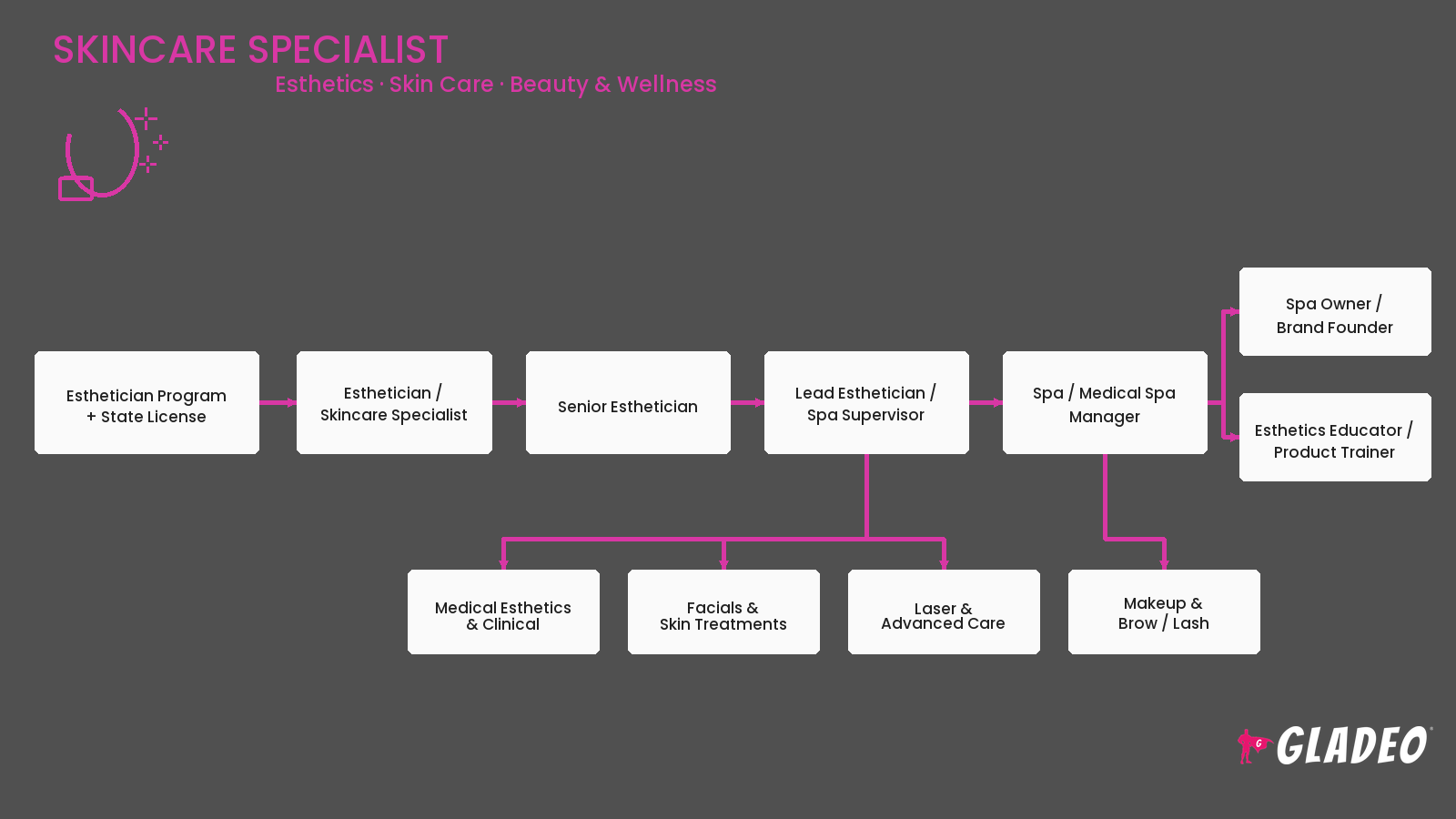
- Apply for entry-level esthetician or dermatology assistant positions at clinics or spas.
- Build a professional portfolio showcasing treatments and client feedback.
- Join professional skincare or dermatology associations for networking.
- Volunteer for community skin health screenings.
- Attend industry conferences and workshops to learn and meet experts.
- Seek mentorship from experienced dermatologists or specialists.
- Keep up with certification and licensing requirements.
- Develop strong customer service and communication skills.
- Practice using diagnostic tools under supervision.
- Offer to assist with administrative tasks to understand clinic operations.
- Create an online presence highlighting your skills and services.
- Be open to relocating for better opportunities.
- Gain advanced certifications in specialized treatments like laser therapy or microdermabrasion.
- Build a loyal client base through excellent care and results.
- Pursue medical school and dermatology residency for physicians.
- Develop expertise in emerging skincare technologies and products.
- Network with industry leaders and attend professional events.
- Take leadership roles in clinics or spas to manage teams.
- Contribute to research or publications in dermatology.
- Expand services by collaborating with cosmetic or wellness professionals.
Websites:
- American Academy of Dermatology (aad.org)
- National Coalition of Estheticians, Manufacturers/Distributors & Associations (ncea.info)
- DermNet NZ (dermnetnz.org)
- Skin Cancer Foundation (skincancer.org)
- The International Dermal Institute (dermalinstitute.com)
- Society for Dermatology Physician Assistants (dermphysicianassistants.org)
- Association of Dermatology Administrators and Managers (adamassn.org)
- The Spa Industry Association (spaindustryassociation.org)
- Cosmetic Dermatology Society (cosderm.org)
- National Skin Care Institute (nskin.org)
- American Society for Dermatologic Surgery (asds.net)
- Skin Therapy Letter (skincarephysicians.com)
- Dermatology Times (dermatologytimes.com)
- EstheticianEdu.org
Books:
- Milady Standard Esthetics by Milady
- Dermatology Secrets by James E. Fitzpatrick
- Cosmetic Dermatology: Products and Procedures by Zoe Diana Draelos
- The Skin Type Solution by Leslie Baumann
- Clinical Dermatology by Thomas P. Habif
If you find that a career as a Skincare Specialist or Dermatologist isn’t the right fit, there are many related fields where your interest in skin health and wellness can still shine.
- Nurse Practitioner specializing in dermatology
- Physician Assistant in dermatology clinics
- Pharmaceutical sales representative for skincare products
- Cosmetic chemist developing skincare formulas
- Makeup artist focusing on skin types and care
- Health educator specializing in skin cancer prevention
- Medical assistant in dermatology offices
- Spa manager overseeing esthetic services
- Nutritionist focusing on skin health
- Sales consultant at skincare or beauty companies
Click here to download the infographic
Newsfeed

Featured Jobs
Online Courses and Tools