





Spotlights
Fashion Stylist, Personal Stylist, Costume Stylist, Editorial Stylist, Celebrity Stylist, Image Consultant, Wardrobe Consultant, Fashion Coordinator, Apparel Stylist, Style Advisor, Photo Shoot Stylist, Runway Stylist
Every time you watch your favorite movie, scroll through a fashion magazine, or admire a celebrity’s red carpet look, a Wardrobe Stylist’s magic is at work — crafting outfits that tell stories, define characters, and inspire trends.
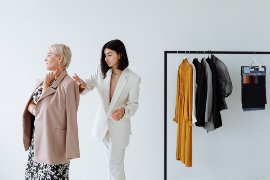
Wardrobe Stylists create and select clothing and accessories that fit the vision of a project or individual. They collaborate closely with directors, photographers, designers, makeup artists, and clients to assemble looks that fit the mood, personality, and purpose of each scene, photoshoot, or event. Their work shapes the overall aesthetic and helps bring characters or concepts to life.
Using their deep knowledge of fashion trends, fabrics, and brands, Wardrobe Stylists source garments, coordinate fittings, and adjust outfits on the spot. They work with tools like digital mood boards, style guides, and clothing racks to organize looks. Their role is essential because the right wardrobe transforms how a story is perceived, boosts confidence, and connects with audiences visually.
- Transforming ideas into visual stories through clothing and style.
- Collaborating with creative teams and high-profile clients to create memorable looks.
- Seeing characters or individuals come alive through their wardrobe choices.
- Influencing fashion trends and inspiring others with unique style visions.
Working Schedule
Wardrobe Stylists often work irregular hours, including nights and weekends, especially when preparing for events, photo shoots, or productions. The job can be fast-paced and deadline-driven, requiring flexibility to travel, attend fittings, and be on set or location. Many Stylists work freelance, juggling multiple projects and clients, while others may be employed by fashion houses, media companies, or production studios.
Typical Duties
- Consult with clients, directors, or creative teams to understand style goals and project needs.
- Research fashion trends, designers, and suitable clothing options for projects.
- Source and select garments and accessories from boutiques, designers, or rental houses.
- Organize and coordinate wardrobe fittings to ensure proper fit and style.
- Alter or adjust clothing to achieve the desired look and comfort.
- Create and maintain detailed style boards or lookbooks for visual planning.
- Manage wardrobe budgets and negotiate with vendors or designers.
- Prepare and transport clothing to locations or sets efficiently.
- Assist with dressing actors, models, or clients during shoots or events.
- Keep track of all wardrobe items to prevent loss or damage.
- Maintain relationships with fashion industry contacts for sourcing and collaborations.
- Stay informed on fabric care and garment preservation techniques.
Additional Responsibilities
- Attend fashion shows and industry events to scout new trends.
- Collaborate with makeup artists and hairstylists for cohesive looks.
- Provide clients with styling advice beyond wardrobe, including accessories and footwear.
- Manage wardrobe inventory and storage between projects.
- Handle last-minute styling emergencies and quick changes during productions.
- Assist in casting calls by advising on suitable wardrobe options.
- Coordinate with costume designers when projects require period or thematic clothing.
- Document and archive wardrobe looks for future reference or marketing.
A Wardrobe Stylist’s day often begins reviewing mood boards and meeting with clients or creative directors to clarify the styling vision and priorities. They might visit boutiques or rental houses to pick up clothing or schedule fittings for models or actors.
Midday is usually spent organizing clothes, assembling outfits, and preparing for photoshoots or events. Stylists might be on set adjusting looks, making last-minute changes, or helping models change outfits quickly between shots. Communication with photographers and directors is constant to ensure the wardrobe supports the creative direction.
In the afternoon or evening, Stylists may wrap up by transporting wardrobe pieces back to storage, updating inventory lists, or researching upcoming trends and designers. Late hours are common when working on tight deadlines or special events, requiring stamina and attention to detail throughout long days.
Soft Skills
- Creativity and a strong sense of style
- Excellent communication and interpersonal skills
- Attention to detail and organization
- Flexibility and adaptability under pressure
- Problem-solving and quick decision-making
- Teamwork and collaboration with diverse professionals
- Time management and meeting deadlines
- Patience and calmness during fast-paced shoots
- Networking and relationship-building
- Confidence in advising clients and taking direction
- Open-mindedness to different fashion aesthetics
- Discretion and professionalism with high-profile clients
Technical Skills
- Knowledge of fashion history and current trends
- Ability to create and interpret mood boards
- Familiarity with garment construction and fabrics
- Proficiency in styling software and digital tools
- Understanding of color coordination and body shapes
- •kills in wardrobe maintenance and garment care
- Experience with clothing alterations and fittings
- Budgeting and vendor negotiation
- Photography basics to understand shoot needs
- Inventory management and record keeping
- Editorial Stylist: Specializes in styling for magazines, advertisements, and fashion spreads.
- Celebrity Stylist: Works directly with celebrities to create red carpet and public appearance looks.
- Personal Stylist: Provides individualized wardrobe advice and shopping for private clients.
- Runway Stylist: Prepares models and coordinates looks for fashion shows and runway events.
- Commercial Stylist: Focuses on styling for commercials, catalogs, and retail advertising.
- Costume Stylist: Works on film, television, or theater productions focusing on character wardrobes.
- Fashion Coordinator: Manages logistics and organization of fashion shoots and styling teams.
- Image Consultant: Advises clients on overall personal style and brand image.
- Fashion magazines and editorial houses
- Film and television production companies
- Advertising agencies and marketing firms
- Modeling agencies and talent management
- Fashion designers and clothing brands
- Retail stores and boutiques
- Event planning and public relations firms
- Photography studios and creative agencies
- Theater and performing arts companies
- Celebrity management and PR firms
- Online fashion platforms and influencers
- Wardrobe rental and costume houses
Wardrobe Stylists often face tight deadlines and high expectations to deliver flawless looks that match creative visions perfectly. The pressure to adapt quickly and solve unforeseen problems on set requires resilience and focus.
Work hours can be long and irregular, including evenings, weekends, and travel. Stylists must be prepared for physically demanding days that involve lifting, standing, and rapid outfit changes.
Sacrifices may include unpredictable schedules and balancing multiple clients or projects simultaneously. Maintaining strong organization and self-care habits is essential to handle the fast pace and varied demands of the job.
- Sustainability in fashion influencing wardrobe choices and sourcing methods.
- Increased use of digital tools like virtual styling apps and 3D clothing visualization.
- Growing demand for inclusive styling that respects diverse body types and cultures.
- Collaboration between stylists and social media influencers to shape trends.
- Rise of rental and resale markets changing how wardrobes are stocked.
- Integration of technology in fabric and garment care.
- More remote styling consultations and virtual fittings.
- Cross-disciplinary work blending styling with branding and marketing.
- Emphasis on authentic, personalized style over fast fashion.
- Use of AI and data analytics to predict style trends and consumer preferences.
Many Wardrobe Stylists discovered their passion early by experimenting with clothing, mixing and matching outfits, or helping friends and family pick clothes. A love for fashion magazines, movies, and dressing up often sparked curiosity.
They usually enjoyed creative activities like drawing fashion designs, attending theater productions, or following style icons. Early exposure to art, photography, and storytelling helped develop their eye for detail and aesthetics.
Becoming a Wardrobe Stylist often involves a mix of formal education and hands-on experience. Many Stylists pursue degrees or certificates in fashion design, fashion merchandising, or costume design, but practical skills and industry connections are equally important.
Students can take courses in relevant subjects such as:
- Fashion Design
- Textile Science
- Costume History
- Fashion Merchandising
- Color Theory
- Visual Arts
- Photography
- Business and Marketing
- Communication Skills
- Computer-Aided Design (CAD)
Students benefit greatly from internships, apprenticeships, and building a strong portfolio showcasing their styling work. On-the-job training and networking within the fashion or entertainment industries are critical for gaining experience and establishing a career as a Wardrobe Stylist.
- Take art and design classes to develop an eye for aesthetics.
- Join theater or drama clubs to understand costume and character needs.
- Learn about fashion history and current trends through reading and research.
- Practice styling friends or family for events or photoshoots.
- Attend local fashion shows or industry events to network.
- Build skills in photography and digital editing tools.
- Participate in internships or volunteer for styling projects.
- Develop communication and collaboration skills through group projects.
- Create a portfolio of styling work including photos and mood boards.
- Explore business classes to understand budgeting and negotiations.
- Use online platforms to follow fashion influencers and trends.
- Consider summer programs or workshops focused on fashion or costume design.
- Choose programs with hands-on styling or costume design courses.
- Look for schools with strong industry connections and internship opportunities.
- Ensure curriculum covers both creative and business aspects of styling.
- Seek programs that offer portfolio development support.
- Prefer schools with access to fashion shows and events.
- Check if the program teaches digital tools and software used in styling.
- Look for experienced instructors with industry backgrounds.
- Find programs offering career counseling and job placement assistance.
- Consider smaller class sizes for personalized attention.
- Verify opportunities to work on real projects or productions.
- Assess the diversity of styles and cultural perspectives taught.
- Ensure the program encourages networking with professionals.
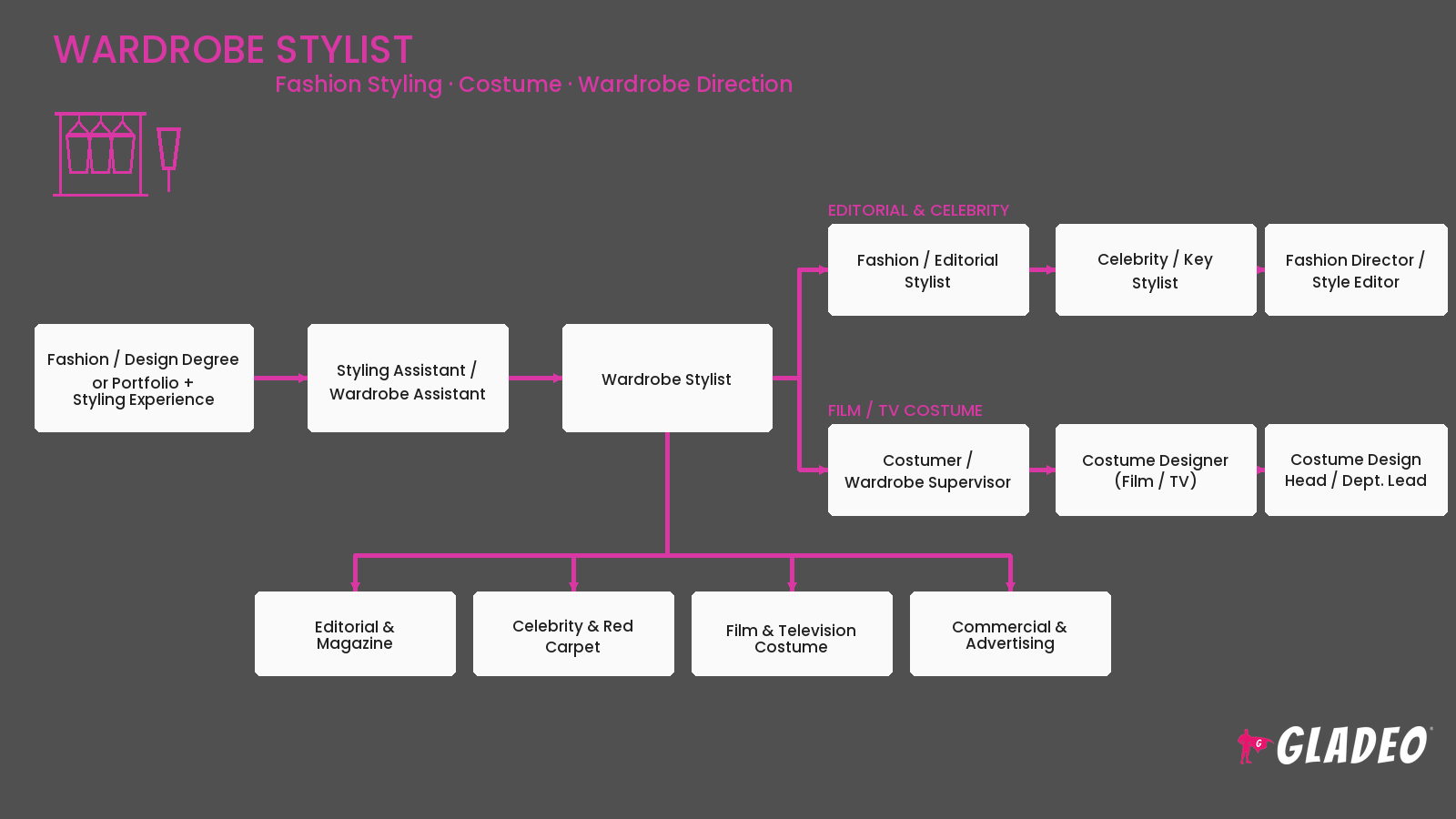
- Apply for assistant stylist or wardrobe assistant positions on film sets or fashion shoots.
- Volunteer for local theater productions to gain costume experience.
- Build a digital portfolio showcasing styling projects and mood boards.
- Network with photographers, designers, and makeup artists at events.
- Use social media to share styling work and connect with industry professionals.
- Seek internships at fashion magazines, boutiques, or costume houses.
- Practice tailoring and garment care skills through part-time jobs.
- Attend casting calls or fashion events to meet potential clients.
- Develop strong communication and organizational skills on the job.
- Ask for feedback and mentorship from experienced stylists.
- Stay flexible and open to freelance or short-term gigs.
- Continuously update your knowledge of fashion trends and brands.
- Gain experience by working on diverse projects such as commercials, editorial shoots, and film.
- Build a strong portfolio and personal brand as a stylist.
- Develop relationships with influential clients and creative directors.
- Expand skills into related roles like fashion consulting or costume design.
- Stay updated on industry trends and emerging designers.
- Attend industry events to network and showcase your work.
- Take leadership roles in styling teams or fashion houses.
- Consider specializing in a niche like celebrity styling or sustainable fashion.
Websites:
- The Fashion Spot (thefashionspot.com)
- Council of Fashion Designers of America (cfda.com)
- Fashionista (fashionista.com)
- Vogue Business (voguebusiness.com)
- The Business of Fashion (businessoffashion.com)
- StyleCaster (stylecaster.com)
- WWD - Women's Wear Daily (wwd.com)
- Fashion Law Institute (fashionlawinstitute.com)
- International Fashion Styling Association (fashionstylingassociation.org)
- The Costume Society (costumesociety.org)
- Styling You (stylingyou.com)
- InStyle (instyle.com)
- Fashion Revolution (fashionrevolution.org)
- Behind the Seams Podcast (behindtheseams.com)
Books:
- The Curated Closet by Anuschka Rees
- Fashion Stylist's Handbook by Danielle Griffiths
- Dressing the Man by Alan Flusser
- The Little Dictionary of Fashion by Christian Dior
- Color Me Beautiful by Carole Jackson
If you discover that Wardrobe Styling isn’t the perfect fit, your love for fashion and creativity can lead you to many related careers where your skills still shine.
- Fashion Buyer
- Costume Designer
- Visual Merchandiser
- Makeup Artist
- Fashion Photographer
- Image Consultant
- Retail Manager
- Fashion Journalist
- Event Coordinator
- Personal Shopper
Click here to download the infographic
Newsfeed

Featured Jobs
Online Courses and Tools